If you have watched or read Demon Slayer: Kimetsu no Yaiba, you may eventually find yourself asking the heartbreaking question: how did Muichiro die? Muichiro Tokito, the remarkably young Mist Hashira, becomes one of the series’ most memorable characters because of his extraordinary talent, quiet personality, and tragic history. His death is not simply a shocking moment in the story; it is the culmination of his development from a detached swordsman into someone willing to risk everything for others.
Muichiro’s fate is closely connected to the Upper Rank demons, the history of the Demon Slayer Corps, and his own family. His final battle reveals just how dangerous the strongest demons are, even to Hashira-level fighters. It also demonstrates Muichiro’s determination and the incredible potential he possessed despite his young age.
In this article, we will examine how did Muichiro die, who was responsible for his death, what happened during his final battle, and why his sacrifice is so important to the larger Demon Slayer story. Major manga spoilers follow, so readers who have not reached the relevant arc may want to proceed carefully.
How Did Muichiro Die in Demon Slayer?
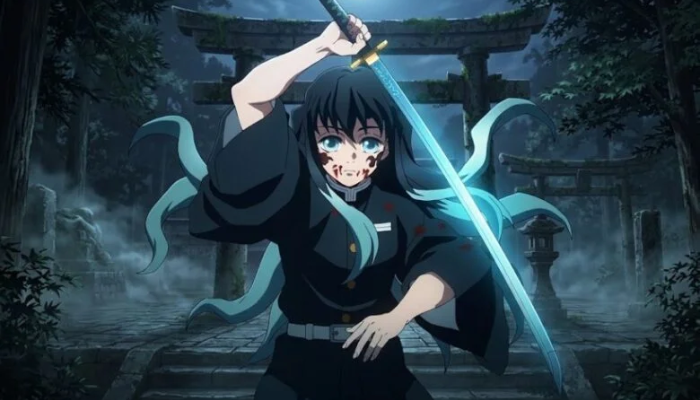
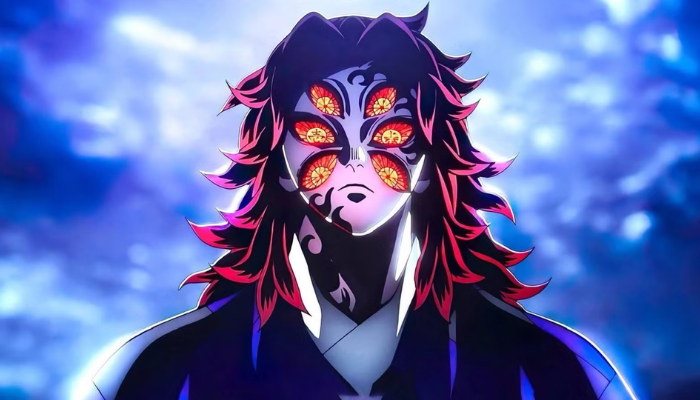
Muichiro Tokito dies during the battle against Kokushibo, the Upper Rank One demon of the Twelve Kizuki. This confrontation occurs during the Infinity Castle arc, one of the most intense sections of Demon Slayer. Kokushibo is not an ordinary demon: he is the strongest of Muzan Kibutsuji’s Upper Rank demons and possesses centuries of combat experience. Facing him is therefore an enormous challenge even for elite Demon Slayers.
Muichiro enters the battle alongside several other powerful fighters, including Gyomei Himejima, Sanemi Shinazugawa, and Genya Shinazugawa. The fight quickly becomes a brutal struggle for survival. Muichiro is severely wounded, but rather than retreating, he continues fighting and ultimately plays a critical role in weakening Kokushibo.
One of the most devastating moments occurs when Kokushibo impales Muichiro with his weapon and leaves him critically injured. Muichiro nevertheless manages to keep fighting. His determination allows him to contribute to the group effort against Kokushibo, even though his injuries are ultimately fatal.
Muichiro’s death is therefore caused by the catastrophic injuries he suffers during the battle with Kokushibo. However, simply saying that Kokushibo killed him does not fully explain the significance of the scene. Muichiro’s final moments show the extraordinary courage of a teenager who knowingly continues fighting despite having almost no chance of surviving.
His death is especially tragic because Muichiro is only fourteen years old. He had already achieved the rank of Hashira at an exceptionally young age, making him one of the most naturally gifted swordsmen in the Demon Slayer Corps. His early death emphasizes one of the series’ recurring themes: extraordinary talent does not guarantee survival in a world dominated by demons.
Muichiro’s Final Battle Against Kokushibo
The battle against Kokushibo is one of the most important fights in Demon Slayer because it brings several major characters together against an enemy who appears almost impossibly powerful. Kokushibo’s abilities are terrifying, combining immense physical strength, demonic regeneration, centuries of swordsmanship, and his devastating Moon Breathing techniques.
Muichiro initially struggles against Kokushibo because of the enormous difference in experience. Although Muichiro is a Hashira, Kokushibo has been fighting for hundreds of years. His mastery of swordsmanship is on another level, and his demonic abilities make him even more difficult to defeat. The battle demonstrates why Kokushibo occupies the highest position among Muzan’s Upper Ranks.
Despite being badly injured, Muichiro eventually finds an opportunity to make a decisive contribution. His sword becomes an important part of the strategy used against Kokushibo. Rather than focusing only on his own survival, Muichiro understands that defeating the enemy requires cooperation and sacrifice.
The battle also reveals something important about Muichiro’s character. Earlier in the story, he can appear emotionally distant and almost indifferent. His memories and relationships gradually restore his empathy, however. By the time of his final confrontation, he is no longer fighting simply because he has been ordered to do so. He is fighting because he genuinely wants to protect other people.
Muichiro’s willingness to continue after sustaining devastating injuries becomes one of the defining elements of his final scene. He understands the danger but refuses to surrender. His actions help create the opening necessary for the other Demon Slayers to continue attacking Kokushibo.
That contribution comes at an enormous personal cost. Muichiro is eventually unable to survive the injuries inflicted during the battle. Yet his death is not portrayed as meaningless. His final actions directly contribute to the eventual defeat of one of the most powerful enemies in the entire series.
Why Was Muichiro So Important to the Demon Slayer Corps?
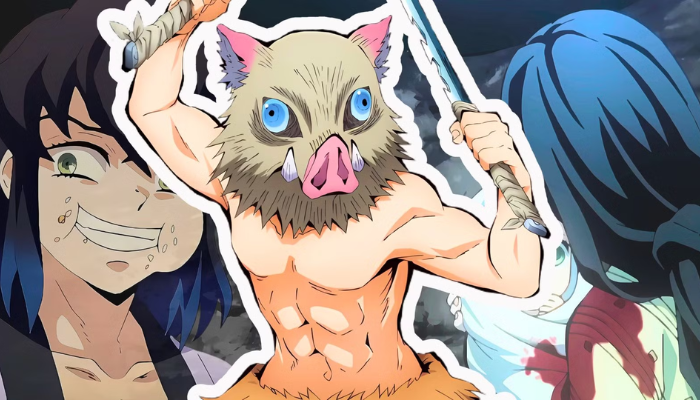
To understand why Muichiro’s death matters so much, it is necessary to understand who he was before the final battle. Muichiro was born into a family of woodcutters and had a twin brother named Yuichiro. The brothers experienced tragedy at a young age, and Muichiro eventually lost his memories of much of his earlier life.
After entering the Demon Slayer Corps, Muichiro demonstrated remarkable natural ability. His talent was so extraordinary that he became a Hashira after only a short period of training. He was appointed the Mist Hashira, a title reflecting both his fighting style and his Mist Breathing techniques.
His age makes his achievements particularly remarkable. Muichiro is one of the youngest Hashira in the story, yet he is capable of fighting demons that ordinary Demon Slayers could never hope to defeat. He also becomes one of the characters who awaken the Demon Slayer Mark, dramatically increasing his combat potential.
Muichiro’s growth is not limited to physical strength. His emotional development is equally important. At first, he often seems disconnected from the people around him. The memories of his brother and his past gradually return, allowing him to understand the importance of compassion, family, and human connection.
This transformation makes his death more painful. Readers do not simply lose a talented fighter; they lose a young character who had finally begun to understand what mattered to him.
His sacrifice also illustrates the brutal reality faced by the Demon Slayer Corps. Even the strongest members are not guaranteed to survive. The Hashira are powerful precisely because they stand between ordinary people and supernatural threats, but that role requires enormous personal sacrifice.
Muichiro’s death therefore reinforces the series’ broader message about courage. Courage in Demon Slayer does not mean being fearless. It means continuing to act despite fear, pain, and the knowledge that the outcome may be fatal.
Muichiro’s Connection to Kokushibo Makes His Death Even More Tragic
One of the most important revelations surrounding Muichiro is his blood connection to Kokushibo. Kokushibo was originally Michikatsu Tsugikuni, the twin brother of Yoriichi Tsugikuni, the legendary swordsman who developed the foundations of the Breathing Styles used by Demon Slayers.
Muichiro is descended from Kokushibo’s human family line. This connection adds another layer of tragedy to their confrontation. Muichiro is effectively fighting a distant ancestor who abandoned humanity and became a demon.
The irony is striking. Kokushibo spent centuries pursuing greater strength because of his jealousy and dissatisfaction with his own abilities. Muichiro, by contrast, possesses tremendous natural talent but ultimately uses it to protect other people rather than to satisfy his own ambition.
Their encounter can therefore be interpreted as a symbolic conflict between two generations. Kokushibo represents what can happen when extraordinary talent becomes consumed by envy, obsession, and the fear of mortality. Muichiro represents the opposite possibility: using talent selflessly, even when doing so means giving up one’s own life.
The family connection also makes Muichiro’s death particularly meaningful within the mythology of Demon Slayer. His story is not isolated from the history of the series. His ancestry links him to some of the most important figures in the world’s history, while his own actions demonstrate that a person’s choices matter more than their bloodline.
This is one reason Muichiro’s final battle resonates with fans. He is not simply another casualty of the Infinity Castle conflict. His confrontation with Kokushibo connects several generations of the story and demonstrates how the consequences of past choices continue to affect the present.
Even more importantly, Muichiro’s actions help ensure that Kokushibo can ultimately be defeated. Although he cannot personally survive the battle, he contributes to the victory of the group as a whole. His death becomes part of the chain of sacrifices that allows the Demon Slayer Corps to continue its fight against Muzan.
What Muichiro’s Death Means for Demon Slayer
Muichiro’s death is one of the clearest examples of how Demon Slayer treats sacrifice. The series repeatedly emphasizes that defeating Muzan and the Upper Ranks requires people to risk their lives. Victory does not come without consequences, and even the most gifted characters can be lost.
Muichiro’s final moments also complete his character arc. At the beginning of his story, he struggles with memory loss and emotional detachment. By the end, his relationships and memories have given him a strong sense of purpose. He understands the value of other people’s lives and is willing to protect them even when doing so means sacrificing himself.
His death can therefore be seen as tragic but also heroic. He does not die because he was weak. He dies because he confronts an enemy vastly more experienced and powerful than most characters in the series and refuses to stop contributing to the fight.
Another important aspect of Muichiro’s death is its effect on the other characters. The battle against Kokushibo is already devastating, but Muichiro’s sacrifice becomes part of the emotional burden carried by the surviving Demon Slayers. His death reminds them of what they are fighting for and what has already been lost.
The scene also demonstrates that age has little relationship to courage. Muichiro is only fourteen, yet he displays a level of determination that rivals the older Hashira around him. His youth makes the tragedy more painful, but it also makes his courage more remarkable.
Ultimately, how did Muichiro die is a question with a straightforward answer but a much deeper emotional meaning. He dies from the severe injuries he receives while fighting Kokushibo during the Infinity Castle battle. However, the significance of his death lies in everything that happens around that event: his personal growth, his family history, his determination, and the role his sacrifice plays in defeating one of Muzan’s strongest servants.
Conclusion
So, how did Muichiro die? Muichiro Tokito dies after sustaining devastating injuries during the battle against Kokushibo, Upper Rank One, in the Infinity Castle arc. Although he is critically wounded, he refuses to abandon the fight. His actions help the other Demon Slayers weaken and ultimately defeat Kokushibo, making his final stand an essential part of the battle’s outcome.
What makes Muichiro’s death especially heartbreaking is that he was still incredibly young. At just fourteen, he had already become a Hashira and developed into one of the most talented swordsmen of his generation. His journey from an emotionally distant boy to a compassionate warrior gives his final sacrifice much greater emotional weight.
Muichiro’s death also connects the present story to the ancient history of the Tsugikuni family. His confrontation with Kokushibo is not merely a battle between a Hashira and a demon; it is the meeting of two descendants shaped by completely different choices. Kokushibo chose immortality and power, while Muichiro ultimately chose humanity and self-sacrifice.
That contrast is what makes his ending so memorable. Muichiro does not survive the final battle, but his courage ensures that his life has meaning beyond his death. His sacrifice becomes part of the collective effort that brings the Demon Slayer Corps closer to its ultimate goal.
In the end, Muichiro’s story is a reminder that a character’s legacy is not measured only by how long they live. Sometimes, it is measured by what they are willing to give for others. Muichiro may have died young, but his final battle established him as one of the most courageous and unforgettable characters in Demon Slayer.
Frequently Asked Questions About How Did Muichiro Die
1. How did Muichiro die in Demon Slayer?
Muichiro died from the severe injuries he suffered while fighting Kokushibo, the Upper Rank One demon, during the Infinity Castle arc. Despite being critically wounded, he continued fighting and helped the other Demon Slayers defeat Kokushibo.
2. Who killed Muichiro?
Kokushibo is responsible for the injuries that ultimately lead to Muichiro’s death. During their battle, Kokushibo severely wounds him, leaving injuries that Muichiro cannot survive.
3. How old was Muichiro when he died?
Muichiro was fourteen years old when he died. His young age is one of the reasons his death is considered among the most tragic moments in Demon Slayer.
4. Did Muichiro die fighting Kokushibo?
Yes. Muichiro’s final battle is against Kokushibo, the strongest of Muzan’s Upper Rank demons. He fights alongside other Demon Slayers and makes a major contribution to the battle before succumbing to his injuries.
5. Did Muichiro defeat Kokushibo?
Muichiro did not defeat Kokushibo by himself. The battle required the combined efforts of several powerful Demon Slayers. Muichiro’s contribution was nevertheless crucial to the group’s eventual victory.
6. Why did Muichiro keep fighting after being injured?
Muichiro understood that Kokushibo posed an enormous threat and that stopping the demon required everyone available to contribute. His willingness to continue fighting demonstrates how much his character had changed from the emotionally detached boy seen earlier in the story.
7. Was Muichiro related to Kokushibo?
Yes. Muichiro is a descendant of Kokushibo’s human identity, Michikatsu Tsugikuni. This family connection makes their confrontation particularly significant.
8. Did Muichiro have the Demon Slayer Mark?
Yes. Muichiro awakened the Demon Slayer Mark, which significantly increased his abilities. However, possessing the mark did not make him invincible, and he ultimately could not survive his battle against Kokushibo.
9. Why is Muichiro’s death important?
Muichiro’s death is important because it completes his character development and contributes directly to the defeat of Kokushibo. It also highlights the enormous sacrifices required from the Demon Slayer Corps during its final battles.
10. Could Muichiro have survived?
Under the circumstances of the battle, Muichiro’s injuries were too severe for him to survive. His final actions were focused on helping defeat Kokushibo rather than preserving his own life, making his death an intentional act of sacrifice within the larger battle.
About the Author