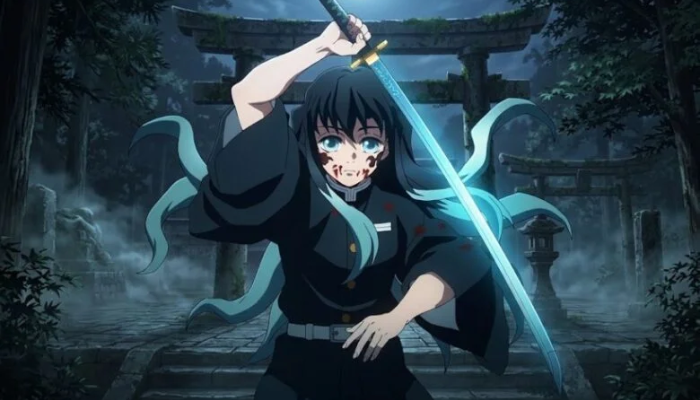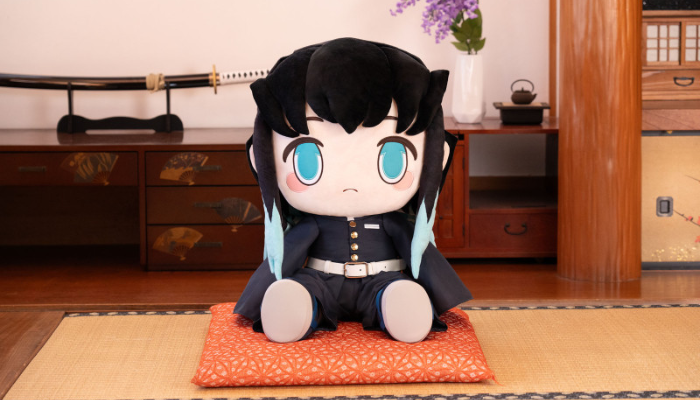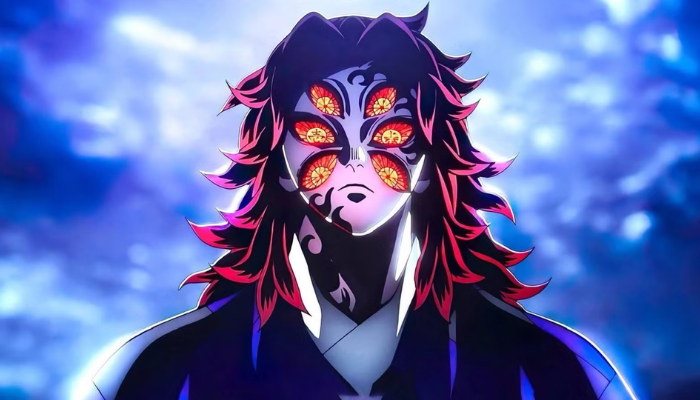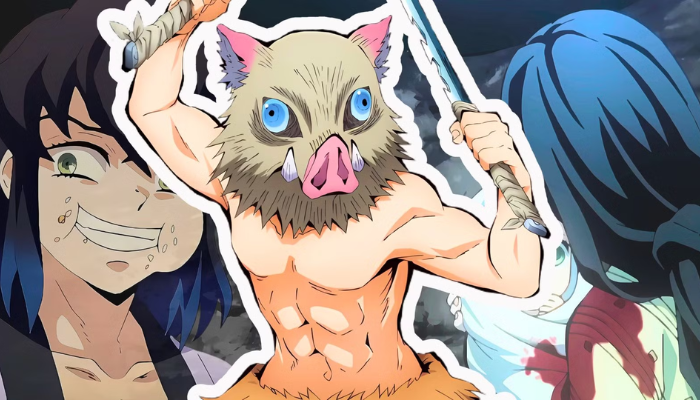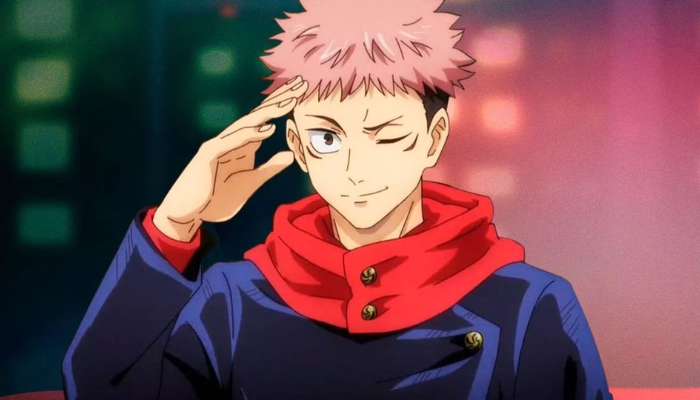
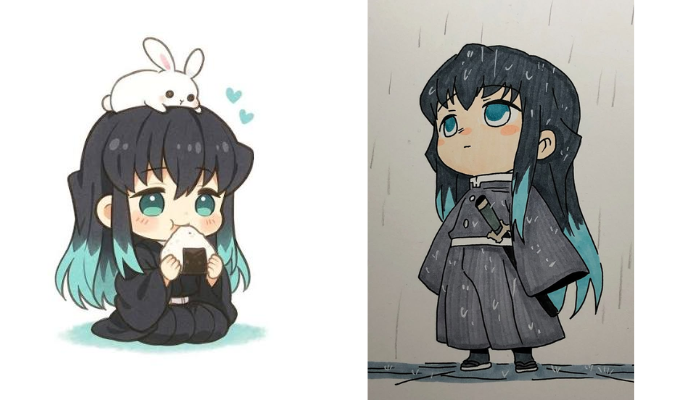
There is something uniquely charming about seeing a serious anime character transformed into a tiny, expressive version of themselves. muichiro chibi captures that appeal perfectly by reimagining Muichiro Tokito, the Mist Hashira from Demon Slayer: Kimetsu no Yaiba, with exaggeratedly cute proportions, simplified features, and a playful visual style. His normally composed expression, long dark hair, distinctive uniform, and mysterious personality become even more appealing when translated into a miniature chibi design.
Muichiro is already one of the most visually recognizable characters in Demon Slayer, but the chibi art style highlights a completely different side of his personality. Instead of emphasizing his status as an elite swordsman, chibi artwork often focuses on his youthful appearance, sleepy expressions, tiny body proportions, and unexpectedly adorable reactions. Whether you are looking for drawing inspiration, a cute profile picture, fan-art ideas, wallpapers, stickers, or simply a fun way to appreciate the character, muichiro chibi offers plenty of creative possibilities. This guide explores what makes the style so popular, how artists create it, and why Muichiro works particularly well as a chibi character.
What Makes muichiro chibi So Adorable?
The defining feature of muichiro chibi art is the dramatic change in proportions. Traditional anime characters are generally drawn with relatively realistic body proportions, while chibi characters have oversized heads, compact bodies, large eyes, and simplified limbs. Applying these conventions to Muichiro creates an immediate contrast between his powerful identity as the Mist Hashira and his tiny, innocent appearance. A miniature Muichiro holding a sword that looks almost too large for him can turn a serious character design into something playful and visually memorable.
His hairstyle is another important part of the appeal. Muichiro’s long, flowing hair is one of his most recognizable characteristics, and artists can exaggerate it in creative ways when making chibi illustrations. The hair may curl around his tiny body, form soft rounded shapes, or be given exaggerated movement to make the character appear more dynamic. His distinctive coloring also makes him easy to identify even when his design is simplified. A successful muichiro chibi illustration does not need every detail from the original character; instead, it preserves the visual traits that immediately communicate who he is.
Facial expressions make the style even more entertaining. Muichiro is known for his calm, distant demeanor, so placing that expression on a tiny chibi body creates a humorous contrast. Artists may portray him looking sleepy, confused, annoyed, surprised, or completely expressionless while surrounded by exaggerated visual elements. Small additions such as floating clouds, tiny mist effects, sparkles, leaves, or miniature swords can reinforce the theme without overwhelming the character. The result is an illustration that feels faithful to Muichiro while also giving him a softer and more comedic personality.
The Character Design Behind a muichiro chibi Illustration
Creating an effective muichiro chibi design begins with identifying the character features that should remain recognizable after simplification. Muichiro’s hair, eyes, Demon Slayer uniform, sword, and Mist Hashira identity are particularly useful visual elements. Because chibi artwork relies on simplified shapes, an artist has to decide which details are essential and which can be removed. Too many small details can make a tiny illustration look crowded, while too few recognizable features can make the character difficult to identify.
The head is usually the focal point. Chibi art often gives the head a disproportionately large size compared with the body, allowing the artist to emphasize the eyes, hairstyle, and facial expression. Muichiro’s youthful appearance works especially well with this approach because his original character design already has delicate and youthful features. His large eyes can be emphasized further, while his expression can be softened without losing his identity. Even a simple face with carefully placed eyes and a small mouth can communicate a surprising amount of personality.
Clothing can also be simplified into bold, recognizable shapes. Instead of reproducing every fold, button, and fabric detail, a chibi artist may use clean lines and distinctive silhouettes. The sword can be made slightly oversized for comedic effect, while the uniform can be reduced to its most recognizable components. Mist-inspired details are another creative opportunity. Soft clouds, wispy shapes, pale backgrounds, and drifting particles can make a muichiro chibi illustration feel connected to his Mist Hashira theme while maintaining the cute aesthetic.
Good chibi art is therefore less about copying every original detail and more about understanding visual identity. An artist who understands Muichiro’s defining characteristics can simplify the character dramatically while still making the finished piece immediately recognizable.
Creative muichiro chibi Ideas for Artists and Fans
There are countless ways to approach muichiro chibi artwork beyond simply drawing a miniature version of the character standing upright. One popular idea is to place him in humorous everyday situations. For example, a chibi Muichiro could be sitting on a tiny cushion while staring into space, carrying an oversized cup of tea, sleeping under a blanket, or trying to catch a floating cloud. These scenes take advantage of his calm personality and create a lighthearted interpretation that feels different from action-focused Demon Slayer artwork.
Seasonal themes can also provide excellent inspiration. A winter-themed illustration could show chibi Muichiro wearing a scarf while surrounded by snowflakes, while a spring design might place him beneath falling blossoms. Summer artwork could feature him relaxing beside a pool or holding a cool drink, and an autumn composition could surround him with colorful leaves. These concepts work particularly well for digital wallpapers, greeting cards, stickers, social media artwork, and fan-made merchandise concepts.
Another creative direction is to emphasize his relationship with the visual idea of mist. Instead of using a detailed background, artists can create a soft environment filled with clouds and hazy shapes. A tiny Muichiro emerging from a puff of mist can create a memorable composition while remaining simple enough for beginners to draw. Artists can also experiment with poses, such as Muichiro sitting on his sword, holding a miniature cloud, looking upward, or appearing startled by a tiny butterfly.
For people learning to draw, muichiro chibi can also be a useful character study. The simplified anatomy makes it easier to practice proportions, facial expressions, hair shapes, clothing silhouettes, and basic poses. Beginners can start with circles and rounded forms before gradually adding character-specific details. More experienced artists can experiment with dynamic perspectives, lighting, atmospheric effects, and stylized backgrounds. This flexibility is one reason chibi fan art remains so popular among both new and experienced artists.
Why Fans Love the Cute Side of Muichiro
Part of the popularity of muichiro chibi comes from the contrast between Muichiro’s serious role and his naturally youthful appearance. As a Hashira, he is presented as an exceptionally skilled swordsman, but his young age and quiet demeanor give him a distinctive place among the characters of Demon Slayer. Chibi art exaggerates that youthful quality, allowing fans to focus on his softer and more endearing characteristics rather than his combat abilities.
The chibi format can also make emotionally complex characters feel more approachable. In the original story, Muichiro experiences serious events and develops considerably as a character. A cute illustration does not necessarily erase those elements; instead, it offers a different artistic lens through which fans can enjoy him. A tiny, sleepy-looking Muichiro can evoke humor and affection while still being unmistakably the same character audiences recognize from the series.
There is also a strong collectible appeal. Chibi characters translate naturally into stickers, keychains, plush toys, desk figures, phone accessories, digital icons, and other fan-oriented designs. Their simplified proportions make them visually appealing even at small sizes. A muichiro chibi design can therefore work equally well as a large digital illustration or a tiny decorative icon.
The style is particularly effective because it encourages personalization. Fans can choose different expressions, costumes, poses, colors, backgrounds, and themes while retaining the core identity of Muichiro. One person may prefer a sleepy version, another may enjoy an energetic action pose, and someone else may want a minimalist design featuring only his face and distinctive hair. This ability to reinterpret the same character in many ways keeps chibi fan art fresh and creative.
How to Create Your Own muichiro chibi Artwork
If you want to draw your own muichiro chibi, start by simplifying the character into basic geometric forms. A large circle or rounded shape can serve as the head, while a much smaller shape can represent the body. Chibi characters generally do not require realistic anatomy, so focus on creating a balanced silhouette rather than worrying about precise proportions. Once the basic structure is established, add Muichiro’s hairstyle, facial features, uniform, and sword.
The hairstyle should be treated as one of the main identifying elements. Rather than drawing individual strands immediately, begin with the overall silhouette of his hair. Once that shape looks recognizable, add a limited number of internal lines to suggest texture and movement. This approach keeps the illustration clean and prevents the hair from becoming visually overwhelming.
Next, work on the facial expression. Since the face occupies a large portion of the character, small changes can have a major effect. Large eyes can make the character look innocent or surprised, while smaller or partially closed eyes can emphasize a sleepy or calm expression. A tiny change in the mouth can shift the mood from neutral to amused, confused, or annoyed. Experimenting with several expressions is an excellent way to discover which interpretation best suits your artistic style.
Once the character is complete, consider adding a simple background. A complicated environment is not necessary for chibi art to be effective. A few clouds, mist effects, stars, leaves, or decorative shapes can provide context while keeping attention on the character. If you are creating a digital illustration, subtle shading and highlights can add depth without sacrificing the clean appearance associated with chibi artwork.
Most importantly, do not feel pressured to make your first attempt perfect. Chibi art is inherently stylized, which means there is considerable room for experimentation. Practice different head-to-body ratios, poses, expressions, hairstyles, and accessories until you develop a version of muichiro chibi that feels uniquely yours. The goal is not simply to reproduce an existing image but to understand the character well enough to reinterpret him creatively.
Conclusion
muichiro chibi combines the recognizable design of Muichiro Tokito with one of the most playful and accessible styles in anime fan art. His youthful appearance, distinctive hairstyle, calm personality, and Mist Hashira identity give artists plenty of memorable features to work with, while the exaggerated proportions of chibi art create an entirely different mood. A tiny Muichiro can be mysterious, sleepy, funny, energetic, adorable, or surprisingly expressive depending on the artist’s approach.
The appeal goes beyond simple cuteness. Chibi artwork provides fans with a creative way to explore character design, experiment with expressions, develop drawing skills, and create personalized artwork. Whether you are an experienced illustrator searching for a new concept or a beginner looking for a fun character to practice, Muichiro is an excellent choice. With a few basic shapes, recognizable details, and plenty of imagination, you can transform the Mist Hashira into a charming miniature character while preserving the qualities that make him memorable.
Ultimately, the best muichiro chibi artwork is not necessarily the most detailed. It is the artwork that captures the character’s identity while adding something fresh and personal. That combination of familiarity, creativity, and adorable simplicity is what makes chibi Muichiro such an enduringly appealing subject for anime fans and artists alike.
Frequently Asked Questions About muichiro chibi
1. What is muichiro chibi?
muichiro chibi refers to a cute, highly stylized depiction of Muichiro Tokito from Demon Slayer: Kimetsu no Yaiba. Chibi artwork typically features an oversized head, small body, simplified anatomy, large expressive eyes, and exaggerated proportions.
2. Why is Muichiro popular in chibi art?
Muichiro’s youthful appearance, distinctive long hair, calm personality, and recognizable character design translate particularly well into chibi proportions. His serious personality can also create a humorous contrast when combined with a tiny, adorable body.
3. How can I draw a muichiro chibi character?
Begin with simple shapes for the head and body, then add his recognizable hairstyle, facial features, uniform, and sword. Keep the anatomy intentionally exaggerated and experiment with different expressions and poses to make the character more expressive.
4. What makes a good muichiro chibi drawing?
A strong illustration should balance recognizable character traits with simplified proportions. The hairstyle, eyes, clothing silhouette, and facial expression are especially important because they allow viewers to identify Muichiro even when many small details have been removed.
5. Can beginners draw muichiro chibi?
Yes. Chibi artwork is often beginner-friendly because it does not require realistic anatomy or complex proportions. Starting with basic circles, rounded shapes, and simplified clothing can make the drawing process much easier.
6. What expressions work well for muichiro chibi?
Sleepy, calm, confused, surprised, annoyed, and cheerful expressions can all work well. His naturally quiet personality makes exaggerated reactions particularly entertaining because they create a strong contrast with his usual demeanor.
7. What backgrounds suit muichiro chibi art?
Mist, clouds, stars, flowers, leaves, and simple atmospheric patterns can complement the character. Minimal backgrounds are often effective because they keep attention on the chibi character rather than competing with the simplified design.
8. Can muichiro chibi artwork be used as a wallpaper?
A chibi Muichiro illustration can work very well as a phone, tablet, or desktop wallpaper, provided the artwork is appropriately sized and you have permission to use the image. A simple composition with space around the character can work especially well for screens.
9. What colors are associated with muichiro chibi designs?
Artists commonly retain the recognizable colors associated with Muichiro’s original character design while adapting them to their own style. Softer shades can be used to emphasize the cute aesthetic, while stronger contrasts can make the character appear more dramatic.
10. Where can I find inspiration for muichiro chibi drawings?
Inspiration can come from official character references, anime-inspired illustration techniques, seasonal themes, cute everyday scenarios, and other chibi compositions. Studying the character’s key visual features and then creating original poses or settings is a useful way to develop your own ideas.
About the Author