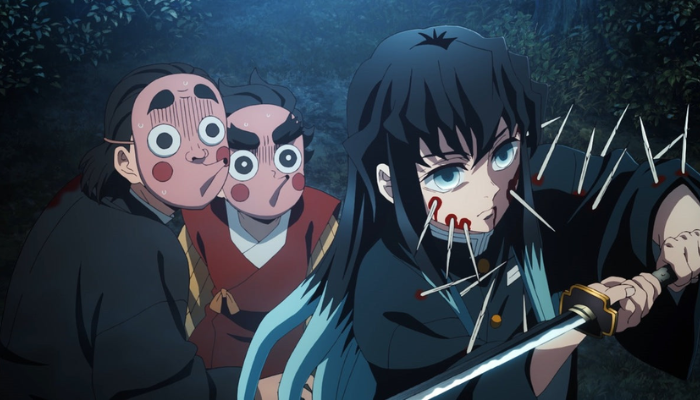
The muichiro tokito death scene is one of the most heartbreaking moments in Demon Slayer: Kimetsu no Yaiba. Muichiro Tokito, the exceptionally talented Mist Hashira, begins the series as a seemingly detached and forgetful teenager. Yet beneath his quiet personality is an extraordinary swordsman whose natural abilities allow him to rise to the rank of Hashira at an astonishingly young age. His journey from an emotionally distant fighter to someone willing to sacrifice everything for others makes his eventual death especially painful.
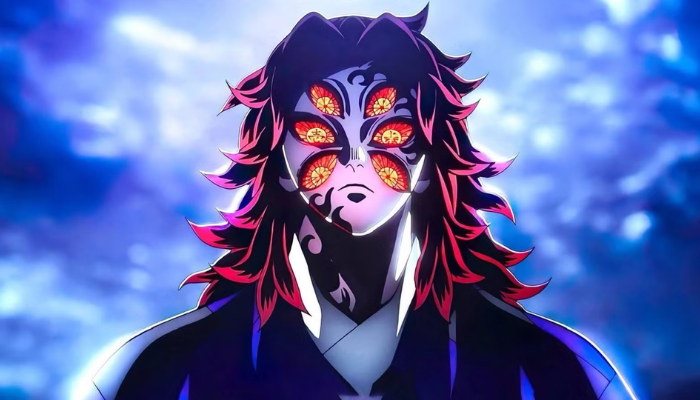
Muichiro’s fate occurs during one of the most dangerous battles in the entire series. After surviving the Swordsmith Village arc and becoming increasingly connected to the people around him, he enters the Infinity Castle and faces a demon far beyond the level of almost every opponent he has previously encountered. His enemy is none other than Kokushibo, Upper Rank One of the Twelve Kizuki and one of the strongest demons to ever exist.
The circumstances surrounding Muichiro’s death are important because they are not simply about a powerful character losing a fight. His final battle reveals his family history, his connection to the legendary swordsman Yoriichi Tsugikuni, and the immense difference between Hashira-level strength and the power of an Upper Rank demon. More importantly, Muichiro’s final actions help create the opportunity for the other Demon Slayers to defeat Kokushibo.
This article explains exactly what happens during muichiro tokito death, who kills him, whether he could have survived, what his final moments mean, and why his sacrifice remains one of the most significant tragedies in Demon Slayer.
Who Is Muichiro Tokito and Why Is His Death So Important?
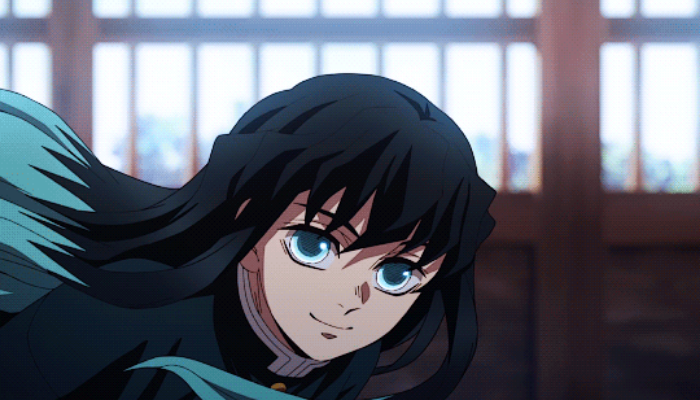
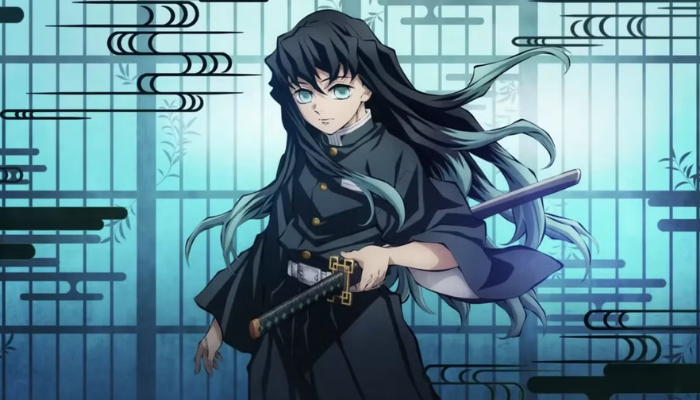
Muichiro Tokito is introduced as the Mist Hashira of the Demon Slayer Corps. Despite his young age, he is regarded as a prodigy. His extraordinary swordsmanship allows him to become a Hashira only a few months after joining the Corps, demonstrating an unusual combination of natural talent, determination, and physical ability. At first, Muichiro appears emotionally distant, often losing himself in his thoughts and showing little interest in ordinary social interactions.
That personality is closely connected to the tragedy he experienced before becoming a Hashira. Muichiro and his twin brother, Yuichiro, lived together after losing their parents. Although the brothers were initially close, Yuichiro became bitter and cynical after their parents’ deaths. Muichiro, meanwhile, eventually lost his memories of much of his childhood. Their relationship became an important part of understanding Muichiro’s emotional development.
The turning point in Muichiro’s life comes when a demon attacks the brothers. Yuichiro is fatally injured, while Muichiro desperately fights back and kills the demon in a burst of rage. The experience leaves him severely traumatized and contributes to the loss of his memories. Eventually, he joins the Demon Slayer Corps and becomes the Mist Hashira.
His death therefore carries much more emotional weight than simply losing a battle. Muichiro is a character whose life is already marked by loss, yet he gradually rediscovers compassion and forms meaningful connections with others. During the Swordsmith Village arc, his memories return, and he begins to understand the value of protecting people. By the time he reaches the Infinity Castle, he is no longer the detached boy seen at the beginning of the story.
Muichiro’s growth also explains why his final moments are so powerful. He is no longer fighting solely because he is a Hashira or because defeating demons is his duty. He is fighting because he genuinely cares about the people around him. His death represents the ultimate expression of that transformation: the once-isolated boy willingly gives everything he has to help others survive.
How Does Muichiro Tokito Die?
The events leading to muichiro tokito death take place during the Infinity Castle arc, when the Demon Slayer Corps launches its final confrontation against Muzan Kibutsuji and the strongest demons under his command. Muichiro is separated from the main group and eventually encounters Kokushibo, the terrifying Upper Rank One.
Kokushibo is an especially dangerous opponent because he is not merely a powerful demon. He is also a master swordsman with centuries of combat experience. His true identity makes the encounter even more significant: Kokushibo was once Michikatsu Tsugikuni, the older twin brother of Yoriichi Tsugikuni, the legendary swordsman whose abilities shaped the history of demon slaying.
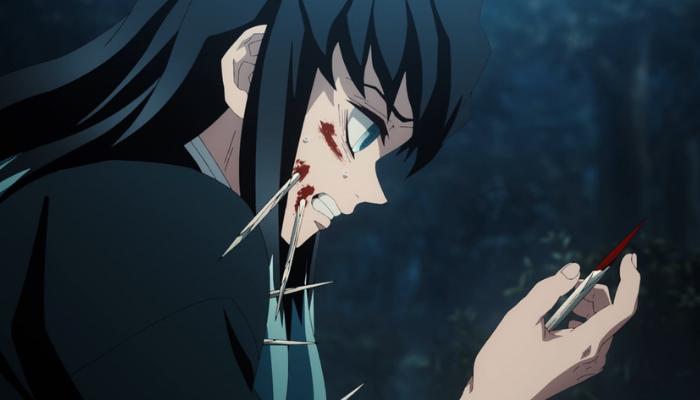
Muichiro initially attempts to confront Kokushibo, but the difference in experience and power quickly becomes apparent. Kokushibo is able to overwhelm him and inflict a devastating injury. Muichiro is eventually pinned to a structure with Kokushibo’s weapon, leaving him in an extremely vulnerable position.
Despite this horrific situation, Muichiro refuses to simply remain helpless. Other Demon Slayers eventually arrive to challenge Kokushibo, including Sanemi Shinazugawa, Gyomei Himejima, and Genya Shinazugawa. Muichiro recognizes that the battle cannot be won through ordinary swordsmanship alone.
In the midst of the fight, Muichiro finds a way to continue contributing despite his terrible injuries. His actions become crucial to the eventual strategy against Kokushibo. He uses his remaining strength to help restrain and weaken the Upper Rank demon, demonstrating the extraordinary determination that defines his character.
However, the injuries he has sustained are ultimately fatal. Muichiro loses a significant amount of blood and suffers catastrophic physical damage. Even after making an enormous contribution to the battle, he cannot survive his wounds. His death occurs after he has played a critical role in helping the other Demon Slayers bring Kokushibo to the brink of defeat.
This is what makes the scene so tragic: Muichiro does not die because his character development was meaningless. Quite the opposite. His final actions prove how far he has come. The boy who once struggled to remember why other people mattered dies fighting specifically to give those people a chance to live.
Who Kills Muichiro Tokito: Kokushibo’s Role Explained
When people search for muichiro tokito death, one of the most common questions is, “Who killed Muichiro Tokito?” The direct answer is Kokushibo, Upper Rank One. However, understanding the circumstances is important because Muichiro does not simply lose a conventional one-on-one battle and die immediately afterward.
Kokushibo is overwhelmingly powerful, and Muichiro’s encounter with him demonstrates the enormous gap between the strongest demons and even an exceptionally gifted Hashira. Muichiro is one of the most naturally talented swordsmen in the Demon Slayer Corps, but Kokushibo possesses centuries of combat experience, tremendous physical strength, regeneration, Blood Demon Art abilities, and an advanced form of swordsmanship.
The battle becomes a group confrontation rather than a simple duel. Sanemi, Gyomei, and Genya eventually join Muichiro in fighting Kokushibo. Each character contributes something essential. Genya’s unusual abilities allow him to interfere with Kokushibo in ways a conventional swordsman cannot. Sanemi and Gyomei provide overwhelming offensive pressure, while Muichiro makes a critical sacrifice that helps immobilize the Upper Rank demon.
One of the most important details is Muichiro’s use of his red Nichirin sword. By forcing his blade into Kokushibo and turning it bright red, Muichiro contributes to damaging the demon in a way that interferes with his regeneration. This comes at an enormous personal cost.
Kokushibo’s defeat ultimately requires the combined efforts of several Demon Slayers. Even after receiving devastating injuries, Muichiro continues to fight because he understands that his contribution may determine whether everyone else survives. His death is therefore directly connected to Kokushibo, but the larger battle shows that no single character could have defeated Upper Rank One through strength alone.
This distinction matters when discussing Muichiro’s death. Kokushibo is responsible for the fatal injuries, but Muichiro’s final role is not that of a helpless victim. He becomes an active part of the strategy that eventually brings Kokushibo down. His sacrifice is one of the factors that makes the demon’s defeat possible.
Muichiro’s Final Moments and the Meaning Behind His Sacrifice
The emotional impact of muichiro tokito death comes from more than the violence of his final battle. Muichiro’s final moments bring together nearly every major theme surrounding his character: memory, family, sacrifice, identity, and the importance of human connection.
Earlier in the story, Muichiro struggles to remember his past. His memories of Yuichiro and his childhood are fragmented, and he often behaves as though his own emotions are distant or inaccessible. As his memories return, however, Muichiro begins to understand that the people he has lost shaped the person he became.
His brother Yuichiro is especially important to this transformation. Although Yuichiro initially appears harsh and uncaring, his actions reveal that his apparent coldness is rooted in fear and grief. Muichiro eventually realizes how much his brother cared about him. That realization gives Muichiro a stronger sense of purpose.
During his final battle, Muichiro’s motivation reflects this emotional growth. He is not simply attempting to prove himself. He understands that the people fighting beside him have lives and relationships worth protecting. His willingness to endure unbearable pain demonstrates the compassion he had gradually rediscovered.
The connection to Yoriichi and Kokushibo also adds another layer to his final battle. Muichiro belongs to the same bloodline as the Tsugikuni brothers, making his confrontation with Kokushibo symbolically significant. Kokushibo represents centuries of jealousy, obsession, and the destructive pursuit of power, while Muichiro represents a younger generation choosing to use its abilities to protect others.
Muichiro’s death is therefore tragic but not meaningless. His sacrifice contributes directly to the defeat of Upper Rank One, one of the greatest threats faced by the Demon Slayer Corps. He dies young, but his final actions demonstrate that his life had a profound impact on the people and events around him.
The tragedy becomes even more painful because Muichiro had only recently begun to recover his sense of self. He had rediscovered his memories, formed stronger relationships, and learned to value the people around him. Just as he begins to experience a more complete version of himself, his life is taken away.
Could Muichiro Have Survived, and What Happens After His Death?
A major question surrounding muichiro tokito death is whether Muichiro could realistically have survived the battle against Kokushibo. Unfortunately, the injuries he receives are extraordinarily severe. He is subjected to massive blood loss and devastating physical trauma while fighting one of the strongest demons in the series.
Even the most powerful Hashira are not immune to the physical consequences of fighting Upper Rank demons. The battle against Kokushibo is particularly brutal because his abilities combine overwhelming swordsmanship with supernatural demonic power. Muichiro’s young age and lack of centuries of experience make the encounter even more dangerous.
However, Muichiro’s survival was never simply a question of whether he was strong enough. His role in the battle requires him to take enormous risks. His decision to continue fighting after being severely injured is precisely what allows him to make a decisive contribution. If he had prioritized his own survival, the outcome of the battle could have been very different.
After Muichiro’s death, the emotional consequences are significant. His loss is another devastating reminder of the price paid by the Demon Slayer Corps during its final confrontation with Muzan and the Upper Ranks. The Corps is not simply defeating demons; its members are sacrificing their futures to create a chance for humanity to survive.
Muichiro’s death also reinforces one of the central ideas of Demon Slayer: victory often comes at an enormous cost. The series repeatedly shows that defeating powerful demons requires cooperation, courage, and sacrifice. Muichiro’s final battle is one of the clearest examples of this theme.
His death also changes how audiences view him in retrospect. Earlier moments that might have seemed humorous or detached take on a different meaning after his backstory and final battle are revealed. His forgetfulness, emotional distance, and lack of interest in ordinary concerns were symptoms of a deeply traumatized child trying to understand himself.
By the end of his story, Muichiro has become the opposite of the emotionally disconnected character first introduced. He remembers his brother. He values his companions. He recognizes the importance of protecting others. And when faced with an enemy far stronger than himself, he chooses to fight anyway.
That transformation is ultimately why his death remains so memorable. Muichiro does not receive a long adult life or the opportunity to see the full consequences of the battle. Instead, his legacy is defined by the people he helped and the sacrifice he made.
Conclusion: Why Muichiro Tokito’s Death Remains One of Demon Slayer’s Saddest Moments
The story of muichiro tokito death is one of the most tragic yet meaningful character moments in Demon Slayer: Kimetsu no Yaiba. Muichiro begins his journey as a remarkably talented but emotionally distant young swordsman. His traumatic childhood causes him to lose much of his connection to his past, but gradually, through his experiences with Tanjiro and the Demon Slayer Corps, he rediscovers his memories and his ability to care deeply about others.
His final battle against Kokushibo demonstrates the full extent of his growth. Although Kokushibo is vastly more experienced and powerful, Muichiro refuses to surrender. Even after suffering devastating injuries, he continues fighting and plays a crucial role in weakening Upper Rank One. His actions help create the circumstances necessary for Kokushibo’s eventual defeat.
What makes Muichiro’s death particularly heartbreaking is the timing. He is still extremely young, and he has only recently begun to understand himself and reconnect with the memories of his family. His future is cut short just as he starts to recognize how valuable his life and relationships truly are.
Yet his death is not portrayed as meaningless. Muichiro’s sacrifice becomes part of the larger chain of sacrifices that ultimately allows the Demon Slayer Corps to continue its fight against Muzan. His final moments reflect the central message of his character: extraordinary talent matters, but the greatest strength comes from using that talent to protect someone else.
Muichiro may have died young, but he did not die without purpose. His courage, his memories of Yuichiro, his connection to the history of the Demon Slayer Corps, and his final contribution against Kokushibo ensure that his story remains one of the most powerful tragedies in the series.
Frequently Asked Questions About Muichiro Tokito’s Death
1. Does Muichiro Tokito die in Demon Slayer?
Yes. Muichiro Tokito dies during the Infinity Castle arc of Demon Slayer: Kimetsu no Yaiba. He suffers fatal injuries while fighting Kokushibo, Upper Rank One of the Twelve Kizuki.
2. Who kills Muichiro Tokito?
Kokushibo is responsible for the fatal injuries that lead to Muichiro’s death. Kokushibo overwhelms Muichiro during their confrontation and causes severe wounds that ultimately prove fatal.
3. How old is Muichiro when he dies?
Muichiro is 14 years old when he dies. His exceptionally young age is one of the reasons his death is particularly tragic. He had already achieved the rank of Hashira despite being only a teenager.
4. Does Muichiro defeat Kokushibo?
No, Muichiro does not defeat Kokushibo by himself. The battle becomes a group effort involving Muichiro, Sanemi Shinazugawa, Gyomei Himejima, and Genya Shinazugawa. Muichiro makes a crucial contribution to the fight, but Kokushibo is eventually defeated through their combined efforts.
5. What happens to Muichiro during the fight with Kokushibo?
Muichiro is severely injured and pinned by Kokushibo. Despite his condition, he manages to continue contributing to the battle. He ultimately uses his remaining strength to help restrict Kokushibo and damage him with his red Nichirin blade.
6. Why does Muichiro sacrifice himself?
Muichiro sacrifices himself because he understands that defeating Kokushibo requires everyone involved to take risks. Rather than focusing only on his own survival, he uses his remaining strength to help his fellow Demon Slayers defeat Upper Rank One.
7. Could Muichiro have survived his battle with Kokushibo?
The injuries Muichiro suffers are too severe for him to survive. He loses a tremendous amount of blood and experiences catastrophic physical trauma. Even though he continues fighting, his condition becomes fatal.
8. Does Muichiro remember his brother before he dies?
Yes. Muichiro eventually regains important memories of his past and his twin brother, Yuichiro. His memories of Yuichiro play a major role in his emotional development and help explain why Muichiro’s final moments are so meaningful.
9. Is Muichiro related to Kokushibo?
Yes, there is a significant blood connection. Muichiro is descended from the family line associated with Kokushibo, whose human identity was Michikatsu Tsugikuni. Kokushibo is also the twin brother of Yoriichi Tsugikuni, the legendary swordsman.
10. Why is Muichiro’s death so important to Demon Slayer?
Muichiro’s death demonstrates the enormous cost of defeating the strongest demons. His sacrifice also contributes directly to the battle against Kokushibo and highlights his transformation from an isolated, traumatized child into someone willing to give his life to protect others. His death is tragic, but it has an important role in the story’s final conflict.
About the Author