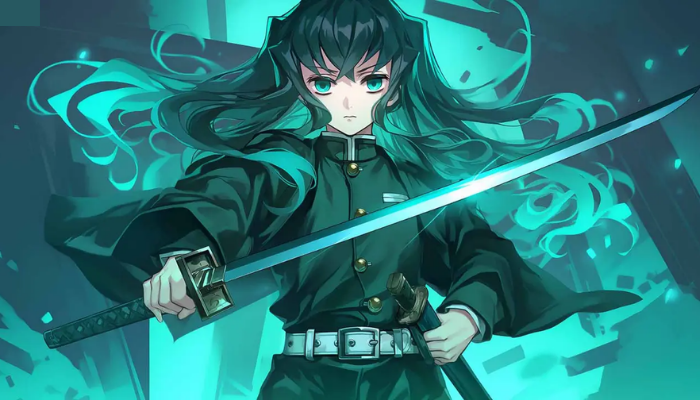
muichiro fanart has become a popular creative outlet for fans who are fascinated by Muichiro Tokito, the Mist Hashira from Demon Slayer: Kimetsu no Yaiba. With his calm personality, distinctive turquoise hair, dreamy expression, and elegant swordsmanship, Muichiro offers artists an unusually rich character to interpret. His design can inspire everything from detailed digital portraits and dramatic battle scenes to soft illustrations, minimalist sketches, wallpapers, and imaginative alternate-universe artwork.
What makes drawing Muichiro especially interesting is the contrast within his character. At first glance, he appears distant and almost ethereal, yet his story reveals determination, emotional depth, and remarkable strength. That contrast gives artists plenty of opportunities to experiment with atmosphere, facial expressions, lighting, color, and composition. Whether you are searching for inspiration, learning how to draw him, or simply appreciating creative interpretations from the fan community, there is much to explore.
In this guide, we will look at what makes Muichiro such a compelling subject, the artistic elements that define successful muichiro fanart, popular styles and concepts, practical drawing techniques, and ways artists can develop original interpretations without losing the qualities that make the character recognizable.
Why Muichiro Tokito Is Such a Popular Subject for Fan Art
One of the biggest reasons artists are drawn to Muichiro is his immediately recognizable visual identity. His long, pale turquoise hair, large expressive eyes, Demon Slayer uniform, Hashira attire, and mist-inspired aesthetic create a strong foundation for illustration. Unlike characters whose designs depend heavily on elaborate accessories, Muichiro can remain recognizable even when an artist simplifies his clothing or places him in an entirely different artistic environment. His silhouette and color palette do much of the visual storytelling.
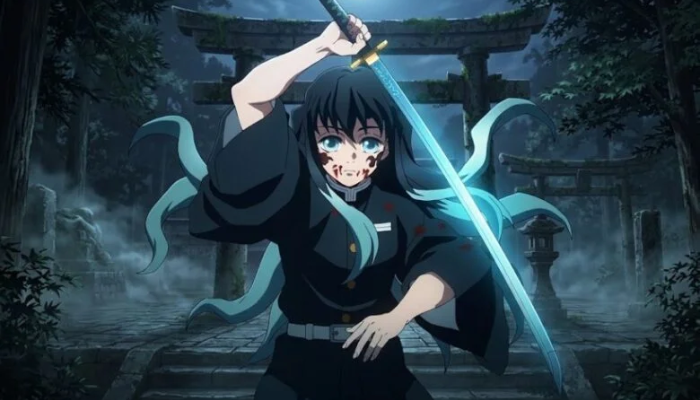
His personality also gives artists considerable creative freedom. Muichiro is not simply portrayed as a powerful swordsman; his reserved demeanor and seemingly absent-minded behavior create a quiet emotional atmosphere. An artist might emphasize his peaceful side by placing him beneath a moonlit sky or surrounded by drifting clouds. Another artist might focus on his determination through an intense action pose, sharp lighting, and a dynamic sword composition. Both approaches can feel authentic because they explore different aspects of the same character.
The story behind Muichiro adds another layer to the appeal. Fans who understand his development may want their artwork to communicate themes of memory, identity, loss, resilience, and growth. This allows fan art to function as more than a simple character portrait. A carefully designed illustration can suggest a particular moment in his journey or communicate an emotion without relying on dialogue. That storytelling potential is one reason Muichiro continues to inspire artists across different skill levels and mediums.
Popular Styles and Creative Ideas for muichiro fanart
There is no single correct way to create muichiro fanart. Traditional pencil sketches remain popular because Muichiro’s facial features and flowing hair provide opportunities for delicate line work and shading. Artists can use graphite to create subtle gradients around his eyes, hair, and uniform while adding darker values to emphasize his expression. Ink drawings can produce an entirely different result, especially when bold outlines are combined with mist-like textures and carefully controlled negative space.
Digital art opens up even more possibilities. Artists can experiment with atmospheric backgrounds, glowing effects, layered clouds, dramatic lighting, and translucent mist. A cool-toned palette can reinforce Muichiro’s association with fog and water-like visual movement, while contrasting highlights can make his eyes or sword stand out. Digital painting also makes it easier to explore several versions of the same concept, such as a peaceful portrait, an action scene, or a cinematic close-up.
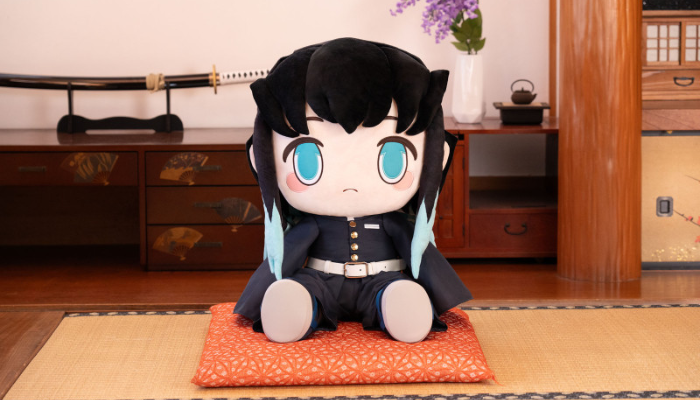
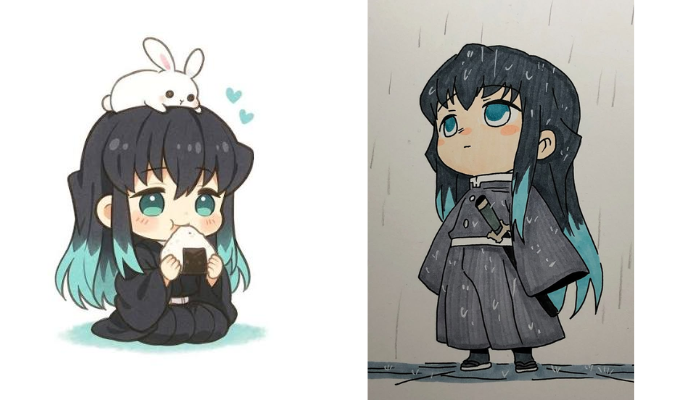
Another popular approach is stylized fan art. Chibi illustrations, minimalist portraits, semi-realistic paintings, manga-inspired sketches, and painterly character studies can all work effectively. The key is understanding which characteristics should remain visible when changing the style. Even a highly simplified drawing can communicate “Muichiro” through his hair shape, facial expression, clothing, and recognizable color relationships.
Artists can also build concepts around particular moods. A quiet portrait with falling mist can highlight his introspective nature, while a battle composition can emphasize his status as the Mist Hashira. Seasonal concepts are another option: Muichiro standing among autumn leaves, watching snow fall, or surrounded by spring blossoms can create visually distinctive artwork while allowing the artist to explore color and atmosphere.
Essential Elements of a Strong Muichiro Illustration
A successful muichiro fanart piece usually begins with a strong understanding of proportion and pose. Before worrying about individual strands of hair or decorative details, artists should establish the head shape, shoulder position, torso angle, and overall gesture. A simple construction sketch can prevent the final image from looking stiff. This is particularly important when drawing action scenes because the body needs to communicate movement before clothing and effects are added.
The face deserves special attention because Muichiro’s expression is central to his visual identity. His eyes can communicate very different emotions depending on their shape, position, and surrounding shadows. A relaxed gaze creates a dreamy, detached mood, whereas narrower eyes and a lowered brow can suggest concentration or determination. Artists should avoid relying solely on a generic anime expression; subtle changes in the eyelids, eyebrows, mouth, and head angle can dramatically alter the emotional impact.
Hair is another defining feature. Muichiro’s long hair should not be treated as a collection of identical lines. Instead, artists can divide it into larger flowing sections before adding smaller strands. This creates a stronger sense of volume and movement. When illustrating him in a misty or windy environment, the direction of the hair can also reinforce the composition by guiding the viewer’s eye toward his face or sword.
Color and lighting can then strengthen the character’s atmosphere. Cool greens, blues, and pale tones naturally complement Muichiro’s design, but artists do not need to reproduce the same palette in every illustration. Warm sunset lighting, monochromatic shading, or dramatic complementary colors can create fresh interpretations. What matters most is maintaining enough visual consistency that the character remains identifiable.
Background design should also serve a purpose. A background filled with excessive details can compete with the character. Mist, trees, clouds, moonlight, drifting particles, or abstract shapes can provide context without overwhelming the central figure. In a portrait, negative space can be particularly effective because it reflects the quiet, airy quality often associated with Muichiro.
How Artists Can Improve Their muichiro fanart
Improving muichiro fanart starts with studying the character from multiple perspectives rather than copying a single reference repeatedly. Artists can examine official character artwork, animation frames, manga panels, costume details, and different poses to understand the underlying design. The goal is not merely to reproduce an existing image but to recognize the visual principles that make Muichiro identifiable.
A useful exercise is to draw the character quickly in several poses. Spend only a few minutes on each gesture and concentrate on movement instead of detail. Afterward, choose the strongest pose and develop it into a finished illustration. This method helps artists avoid becoming overly dependent on static headshots and encourages more dynamic compositions.
Another valuable technique is value studies. Before adding full color, create a small grayscale version of the illustration. Determine where the darkest and lightest areas should appear and make sure the character remains readable. Strong value organization can make an image visually effective even before color is introduced. Once the grayscale structure works, color can be added with much greater confidence.
Artists should also practice selective detailing. Not every area of the drawing needs equal attention. The face, hands, sword, or another focal point can receive more refined rendering, while secondary areas remain simpler. This creates visual hierarchy and prevents the illustration from becoming uniformly busy.
For digital artists, layers can be used to separate the character, background, effects, lighting, and atmospheric elements. This makes experimentation easier. A mist layer, for example, can be adjusted without destroying the underlying character drawing. Traditional artists can achieve similar effects through tracing paper, separate studies, or controlled washes and glazing techniques.
Most importantly, artists should develop their own interpretation. References are useful for anatomy, costume, proportions, and color relationships, but originality comes from combining those foundations with personal choices. A distinctive composition, unusual camera angle, original background, or expressive mood can turn a technically competent drawing into memorable fan art.
Sharing, Appreciating, and Finding Inspiration in Muichiro Fan Art
The online fan-art community has made it easier than ever for artists to share interpretations of favorite characters. Platforms dedicated to artwork, social media communities, illustration portfolios, and anime fandom spaces allow creators to discover different approaches to the same character. Looking at a variety of artwork can be especially useful for learning because artists often solve the same visual problem in completely different ways.
When browsing muichiro fanart, it is worth paying attention to more than the finished image. Study how different artists handle composition, anatomy, lighting, facial expressions, fabric, hair, and backgrounds. Ask what immediately attracts your attention and why. Perhaps one artist uses dramatic perspective, another creates beautiful atmospheric depth, and another relies on exceptionally expressive eyes. Identifying those strengths can help you decide which skills you want to practice.
Artists should also remember the importance of respecting creators. If you use someone’s artwork as inspiration, distinguish inspiration from direct copying, and always follow the platform’s rules regarding reposting and attribution. Fan communities thrive when artists can share ideas while still receiving appropriate credit for their work.
For people who are not artists themselves, appreciating fan art can be just as rewarding. Different interpretations reveal how viewers connect with a character. One illustration might emphasize Muichiro’s strength, another his vulnerability, and another his peaceful relationship with nature. Together, these interpretations create a broader picture of why the character resonates with so many fans.
Ultimately, fan art is about creative connection. It allows people to revisit memorable characters, explore emotions that may only receive limited attention in the original story, and build something personal around a shared fictional world. Muichiro’s distinctive appearance and layered personality make him particularly well suited to that process.
Conclusion
muichiro fanart is much more than a collection of drawings featuring a popular anime character. It is a form of creative interpretation that allows artists and fans to explore Muichiro Tokito’s appearance, personality, emotions, abilities, and story from countless perspectives. His flowing turquoise hair, Mist Hashira identity, reserved expression, and powerful character development give artists an unusually flexible subject.
For aspiring artists, Muichiro provides opportunities to practice anatomy, portraiture, gesture drawing, hair rendering, color theory, lighting, atmospheric effects, and visual storytelling. For experienced artists, he offers enough personality and symbolism to support sophisticated compositions and highly individual styles. Whether the result is a quick pencil sketch, polished digital painting, dramatic battle scene, minimalist portrait, or imaginative alternate interpretation, the most compelling work usually combines recognizable character traits with the artist’s own creative voice.
The best way to approach muichiro fanart is therefore not to worry about creating a perfect copy. Study the character carefully, understand what makes his design recognizable, experiment with different moods and techniques, and then bring your own perspective into the artwork. That balance between familiarity and originality is what can make fan art feel both authentic and memorable.
Frequently Asked Questions About muichiro fanart
1. What makes muichiro fanart so popular?
Muichiro has a distinctive visual design and a personality that combines calmness, mystery, vulnerability, and strength. His turquoise hair, Mist Hashira aesthetic, expressive eyes, and character development give artists many different themes to explore.
2. What should I draw first when creating Muichiro fanart?
Start with the gesture, head shape, body proportions, and pose. Establishing the overall structure first makes it easier to add his hair, uniform, sword, facial features, and other details accurately.
3. What colors work well for Muichiro illustrations?
Cool colors such as pale turquoise, blue, green, gray, and white naturally complement his established design. However, artists can experiment with warmer palettes or dramatic lighting to create a more original interpretation.
4. How can I make my Muichiro drawing look more dynamic?
Use stronger poses, varied camera angles, directional hair movement, and diagonal composition. Adding environmental elements such as mist, wind, particles, or motion effects can also make an action-oriented illustration feel more energetic.
5. Is digital art or traditional art better for muichiro fanart?
Neither is inherently better. Traditional media can produce beautiful line work and tactile shading, while digital tools make it easier to experiment with lighting, atmospheric effects, layers, and color. The best medium is the one that supports your artistic goals.
6. How do I draw Muichiro’s hair effectively?
Begin with large sections that establish the overall shape and direction of the hair. Then add smaller strands selectively. Avoid drawing every strand with equal detail, because doing so can make the hair appear flat or cluttered.
7. How can beginners practice drawing Muichiro?
Beginners can start with simple head studies, facial expressions, and basic poses. Once those become comfortable, they can progress to full-body drawings, sword poses, clothing details, and more complicated backgrounds.
8. What are some creative muichiro fanart ideas?
Consider a moonlit Mist Hashira portrait, a dramatic sword-fighting scene, a peaceful forest illustration, a seasonal artwork, a chibi version, a minimalist poster, or a cinematic scene surrounded by swirling fog. Alternate outfits and original environments can also provide fresh ideas.
9. How can I make fan art look original?
Use references to understand anatomy and character design, but make independent decisions about composition, lighting, expression, background, color, and storytelling. Combining familiar character traits with a personal artistic style is an effective way to create original fan art.
10. Where can I find inspiration for Muichiro artwork?
Look across legitimate art communities, illustration portfolios, anime fandom spaces, and official character references. Instead of copying a particular piece, study how different artists approach anatomy, color, lighting, composition, and emotion, then apply those lessons to your own work.
About the Author