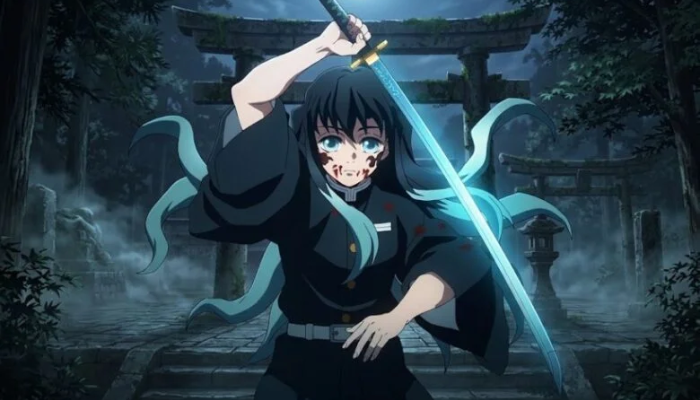
Muichiro death is one of the most heartbreaking moments in Demon Slayer: Kimetsu no Yaiba. Muichiro Tokito, the exceptionally talented Mist Hashira, begins his story as a seemingly emotionless and distant swordsman. Yet beneath that detached personality is a young boy who has suffered tremendous loss and gradually rediscovers his memories, compassion, and desire to protect other people. His development makes his eventual fate particularly painful because readers finally get to see the person hidden beneath his cold exterior just before he gives everything to the battle against one of the strongest demons in existence.
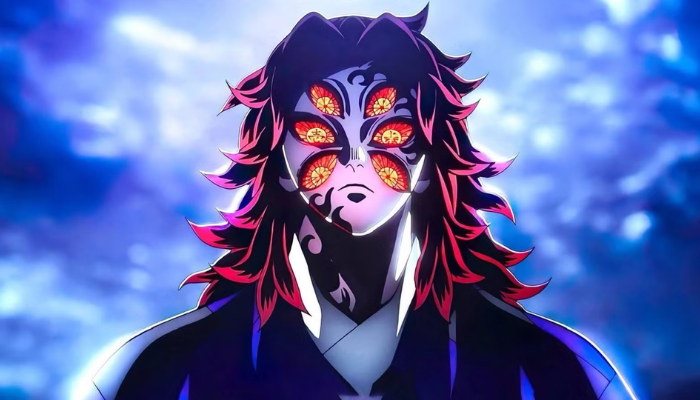
Muichiro’s death does not happen randomly or without purpose. It takes place during the devastating confrontation with Kokushibo, Upper Rank One of the Twelve Kizuki. The battle pushes the Demon Slayer Corps to its absolute limits, and Muichiro plays a critical role despite being only fourteen years old. His actions contribute directly to the eventual defeat of Kokushibo, making his final stand both tragic and heroic. Understanding muichiro death therefore requires looking beyond the moment itself and examining Muichiro’s history, his extraordinary abilities, the battle that claimed his life, and the legacy he leaves behind.
Who Is Muichiro Tokito and Why Is His Death So Important?
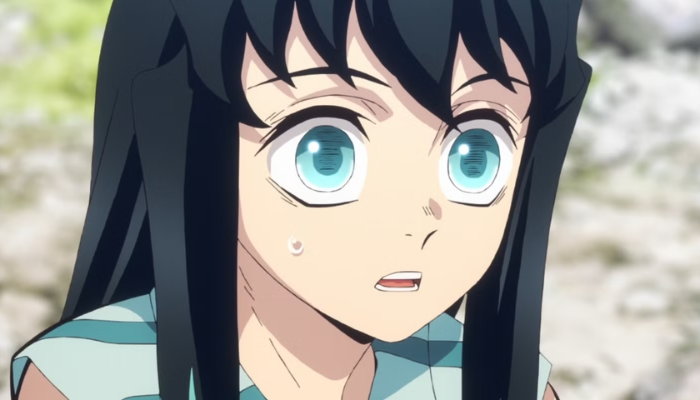
Muichiro Tokito is introduced as the Mist Hashira, one of the elite swordsmen within the Demon Slayer Corps. Despite his young age, he rises to the rank of Hashira extraordinarily quickly, demonstrating an almost unbelievable level of natural talent. His fighting style is based on Mist Breathing, a technique that allows him to move with deceptive speed and create confusion for his opponents. His unusual ability is immediately apparent when he defeats powerful demons and later demonstrates that he possesses the potential to stand alongside some of the Corps’ strongest warriors.
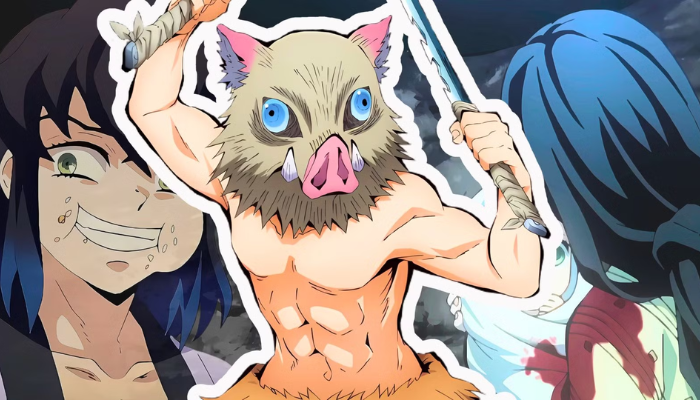
However, Muichiro’s strength comes with a tragic history. He and his twin brother, Yuichiro, grow up without their parents after losing them at a young age. The brothers initially live together in the mountains, but their personalities develop in very different directions. Muichiro is naturally kind and optimistic, while Yuichiro becomes bitter and guarded after experiencing repeated hardship. Their relationship ultimately ends in tragedy when a demon attacks them, leaving Yuichiro mortally wounded and forcing Muichiro to confront the cruelty of the world at an extremely young age.
The trauma surrounding his brother’s death causes Muichiro to lose much of his memory. As a result, the boy who once cared deeply about others becomes distant and seemingly indifferent. His journey throughout Demon Slayer is therefore not simply about becoming a better fighter; it is also about recovering his identity. His memories return gradually, especially after Tanjiro Kamado and others remind him of the importance of helping people. This transformation makes muichiro death especially meaningful because he ultimately dies as the person he was always meant to become: someone willing to sacrifice himself for others.
Muichiro’s death also demonstrates one of the central themes of Demon Slayer: extraordinary courage can exist even in someone who has every reason to be afraid. He is only fourteen, yet he knowingly enters a battle against Kokushibo, a demon vastly more experienced and powerful than almost any enemy the Demon Slayers have previously encountered. His age makes his sacrifice even more devastating.
How Does Muichiro Die in Demon Slayer?
Muichiro dies during the battle against Kokushibo in the Infinity Castle arc. Kokushibo is Upper Rank One, making him the strongest member of Muzan Kibutsuji’s Twelve Kizuki. Unlike many demons faced earlier in the story, Kokushibo possesses centuries of combat experience and overwhelming swordsmanship. He is also connected to the history of the Demon Slayer Corps in a deeply personal way, which makes the confrontation even more significant.
Muichiro initially faces Kokushibo alongside other powerful Demon Slayers, including Gyomei Himejima, Sanemi Shinazugawa, and Genya Shinazugawa. The fight quickly becomes brutal. Kokushibo’s abilities are on an entirely different level, and his strange Blood Demon Art allows him to create enormous numbers of crescent-shaped blades from his attacks. These unpredictable projectiles make it extremely difficult for the Demon Slayers to approach him safely.
During the confrontation, Muichiro is severely wounded and eventually loses an arm. Kokushibo then impales him against a structure with his sword, leaving the young Hashira in a critical condition. Under normal circumstances, such an injury would mean the end of the battle for Muichiro. Instead, he continues searching for a way to contribute. This is one of the most important aspects of muichiro death: even after suffering catastrophic injuries, he refuses to become a passive observer.
Muichiro ultimately uses his remaining strength to help turn the battle against Kokushibo. He manages to drive his sword into Kokushibo and, crucially, awakens a red Nichirin Blade. The blade’s special properties help weaken Kokushibo and become an important part of the strategy used to bring the Upper Rank demon down. Muichiro’s contribution is therefore essential even though he cannot survive the fight.
After Kokushibo is defeated, Muichiro’s injuries prove fatal. He dies from the wounds sustained during the battle. His final moments are among the most emotional scenes in the manga because they connect his present sacrifice with the memory of his brother. Rather than dying as the detached Hashira readers met at the beginning of the story, Muichiro dies having regained the compassion and humanity that had been buried beneath his trauma.
Muichiro vs. Kokushibo: The Battle That Leads to His Death
The confrontation between Muichiro and Kokushibo is important because it reveals just how extraordinary the Upper Rank demon truly is. Throughout Demon Slayer, the Hashira are presented as the strongest warriors of the Demon Slayer Corps. Yet Kokushibo is powerful enough to challenge several of them simultaneously. His mastery of swordsmanship, supernatural abilities, and centuries of experience make him an almost overwhelming opponent.
Muichiro’s initial encounter with Kokushibo highlights the difference between raw talent and experience. Muichiro is an exceptional swordsman, but Kokushibo has lived for centuries as a demon while continuously improving his combat abilities. Even though Muichiro possesses tremendous potential, he cannot simply overpower an enemy of that caliber. The fight quickly demonstrates that victory will require teamwork, sacrifice, and extraordinary determination rather than individual strength alone.
What makes Muichiro’s role remarkable is that he continues fighting after suffering injuries that would incapacitate most people. He understands that the battle cannot be won through conventional means, so he contributes in whatever way possible. His decision to keep fighting despite his condition ultimately becomes one of the turning points in the confrontation.
The red Nichirin Blade is particularly important. When Muichiro manages to awaken his blade and embed it in Kokushibo, the weapon contributes to the demon’s weakening. Other fighters are then able to capitalize on the opening. Muichiro does not defeat Kokushibo by himself, but that does not make his contribution less significant. The victory is the result of several characters pushing themselves beyond their limits, and Muichiro is one of the people whose sacrifice makes that victory possible.
This is why describing muichiro death simply as “Muichiro was killed by Kokushibo” misses much of the story’s emotional and narrative significance. Kokushibo is responsible for the fatal injuries, but Muichiro’s final actions are about resistance. Even when death becomes almost inevitable, he finds a way to help his allies.
Muichiro’s Final Moments and His Connection to Yuichiro
Muichiro’s final moments are closely connected to the memories of his twin brother, Yuichiro. This connection gives his death an emotional meaning that extends beyond the battlefield. Earlier in the story, Muichiro’s memories reveal how deeply his brother’s death affected him. He had once been a caring child, but losing Yuichiro and experiencing the trauma surrounding the incident caused him to suppress much of his past.
As Muichiro approaches death, the story returns to this relationship. The imagery surrounding the brothers reinforces the idea that Muichiro is not dying alone emotionally. His memories and the person he used to be come rushing back. The contrast between the detached Mist Hashira and the compassionate child he once was is one of the most powerful elements of his character arc.
His final thoughts also emphasize the importance of protecting others. Muichiro’s journey has gradually taught him that strength is valuable not because it makes someone superior, but because it gives that person the ability to protect people who cannot defend themselves. His willingness to sacrifice himself for the Corps represents the completion of that transformation.
There is also a tragic irony to Muichiro’s death. He is one of the youngest Hashira in the entire series and has enormous potential for the future. His life could have extended for decades if he had not become a Demon Slayer and entered the Infinity Castle battle. Yet the same talent that allows him to rise so quickly also places him directly in some of the most dangerous conflicts of the story.
For readers, this makes muichiro death particularly painful. His story is not about an old warrior reaching the natural end of a long life. It is about a child who has already lost his family, recovered his memories, found a new purpose, and then sacrifices his future to give others a chance to survive.
What Muichiro’s Death Means for Demon Slayer and His Legacy
Muichiro’s death carries significant consequences for the final battle against Muzan Kibutsuji. The Demon Slayer Corps suffers enormous losses throughout the Infinity Castle and Sunrise Countdown arcs, and every fallen Hashira represents a devastating reduction in the Corps’ strength. Yet the sacrifices of characters such as Muichiro help create the conditions necessary for the eventual victory.
His contribution against Kokushibo is particularly important because defeating an Upper Rank demon is extraordinarily difficult. These demons have survived for generations, killing countless Demon Slayers and remaining nearly impossible to defeat. The fact that Muichiro can contribute meaningfully to the defeat of Upper Rank One despite being severely injured demonstrates the level of his courage and skill.
His death also reinforces one of Demon Slayer’s central ideas: victory rarely comes without sacrifice. The final battles are not won because one hero suddenly becomes powerful enough to defeat every enemy alone. Instead, characters pass opportunities to one another, weaken enemies, protect their allies, and sometimes give their lives so that someone else can continue fighting. Muichiro embodies this idea perfectly.
At the same time, his death makes his earlier development more meaningful. When readers first meet him, Muichiro appears detached and uninterested in other people’s problems. By the time he dies, he has rediscovered his memories and developed a genuine desire to protect others. His final actions demonstrate that the compassion lost after Yuichiro’s death has returned.
Muichiro’s legacy therefore extends beyond his status as the Mist Hashira. He becomes a symbol of potential, sacrifice, and the painful cost of fighting demons. His story also reminds readers that people cannot always be understood by their outward behavior. The seemingly emotionless Muichiro was not naturally heartless; he was a traumatized child who had forgotten much of himself.
Ultimately, muichiro death is tragic precisely because Muichiro had so much life ahead of him. His story ends before he can experience adulthood, but his final contribution allows other members of the Demon Slayer Corps to continue their fight. His sacrifice becomes part of the chain of events that leads toward the defeat of Muzan and the end of the demon threat.
Conclusion: Why Muichiro Death Still Resonates With Fans
Muichiro death remains one of the saddest moments in Demon Slayer because it combines several forms of tragedy into one final chapter of his story. Muichiro is exceptionally young, extraordinarily talented, and only beginning to rediscover his identity when he enters the battle against Kokushibo. His death is not the result of weakness. Instead, it occurs because he willingly continues fighting an overwhelmingly powerful enemy even after suffering devastating injuries.
His final sacrifice also completes his character arc. The boy who lost his memories after Yuichiro’s death eventually remembers who he is and what matters to him. Rather than remaining distant and detached, he becomes someone who values human life and willingly risks everything to protect others. His confrontation with Kokushibo proves that courage is not measured by whether someone survives a battle, but by what they are willing to do when survival seems impossible.
Although Muichiro does not live to see the final victory over Muzan, his actions matter. His red Nichirin Blade, his determination, and his willingness to fight despite his injuries all contribute to the defeat of Kokushibo. His story is therefore not simply a tale of a character dying young. It is the story of a young warrior reclaiming his humanity and using the final moments of his life to protect the future of others.
That is what makes muichiro death so memorable. Muichiro’s life is short, but his impact is enormous. The Mist Hashira begins as a boy lost in the fog of his own memories and ends as a hero who understands exactly what he is fighting for. His death may be heartbreaking, but within the larger story of Demon Slayer, it represents courage, sacrifice, and the enduring human desire to protect someone else even when the cost is everything.
Frequently Asked Questions About Muichiro Death
1. Does Muichiro die in Demon Slayer?
Yes. Muichiro Tokito dies during the Infinity Castle arc of the Demon Slayer manga. He suffers fatal injuries while fighting Kokushibo, Upper Rank One, and ultimately dies after helping his allies defeat the powerful demon.
2. Who kills Muichiro?
Kokushibo inflicts the injuries that ultimately cause Muichiro’s death. During their battle, Muichiro is severely wounded and impaled by Kokushibo. Despite his injuries, he continues contributing to the fight until the battle ends.
3. What episode does Muichiro die in?
The exact anime episode depends on how the remaining manga material is adapted into the anime’s final arcs. Muichiro’s death occurs in the Infinity Castle portion of the manga, so viewers should not rely on early-season episode numbers when looking for the scene.
4. What chapter does Muichiro die in?
Muichiro’s death occurs during the Kokushibo battle in the later chapters of the Demon Slayer manga, with his final moments taking place around Chapter 179. The surrounding chapters are essential for understanding his injuries, sacrifice, and the conclusion of the fight.
5. How old was Muichiro when he died?
Muichiro was fourteen years old when he died. His extremely young age is one of the reasons his death is especially tragic. Despite being a teenager, he had already achieved the rank of Hashira and played a major role in one of the most dangerous battles in the series.
6. Does Muichiro defeat Kokushibo?
No, Muichiro does not defeat Kokushibo by himself. The battle involves multiple Demon Slayers, including Gyomei, Sanemi, and Genya. Muichiro’s actions are nevertheless crucial because he helps weaken Kokushibo and contributes to the strategy that ultimately results in the Upper Rank demon’s defeat.
7. Why did Muichiro sacrifice himself?
Muichiro sacrifices himself because he understands that defeating Kokushibo requires every available fighter to contribute. Even after suffering catastrophic injuries, he continues fighting and uses his remaining strength to help his allies. His actions reflect the compassion and sense of responsibility he develops throughout the series.
8. Does Muichiro see Yuichiro before he dies?
Muichiro’s final moments are strongly connected to memories of Yuichiro, his deceased twin brother. The story uses this connection to bring his character arc full circle, emphasizing Muichiro’s childhood, his trauma, and the bond he shared with his brother.
9. Could Muichiro have survived?
Under ordinary circumstances, Muichiro’s injuries during the Kokushibo battle are far too severe for him to survive. Even though he continues fighting and makes a critical contribution, the damage he receives ultimately proves fatal. His death is therefore an intentional part of the story rather than a temporary setback.
10. Why is Muichiro’s death important to Demon Slayer?
Muichiro’s death is important because it demonstrates the immense cost of the final battle against the demons. His sacrifice contributes to Kokushibo’s defeat and reflects one of the series’ major themes: victory often depends on people making sacrifices for those who come after them. His death also completes his personal journey from a disconnected, traumatized boy into a compassionate protector.
About the Author