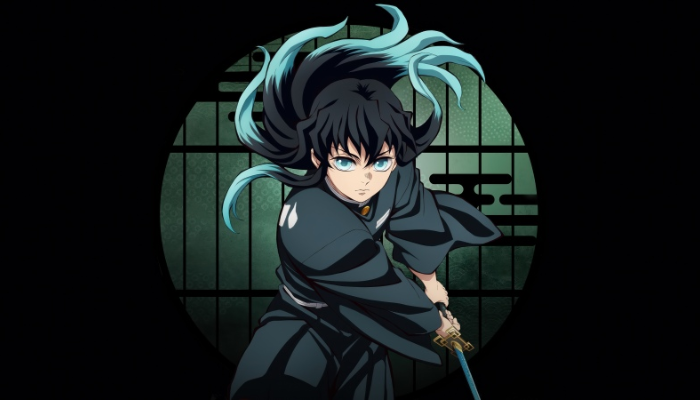
A great **muichiro tokito wallpaper ** can completely change the feel of a phone, tablet, laptop, or desktop screen. For fans of Demon Slayer: Kimetsu no Yaiba, muichiro tokito wallpaper has a particularly memorable visual style. His long dark hair, turquoise eyes, calm expression, Mist Breathing aesthetic, and connection to drifting clouds give artists plenty of inspiration for atmospheric artwork.
Unlike characters whose designs rely heavily on bold colors or dramatic expressions, Muichiro often creates a quieter mood. His character can look mysterious, peaceful, determined, or intensely focused depending on the artwork. That flexibility makes him an appealing choice for wallpapers, whether someone prefers minimalist backgrounds, action scenes, manga-inspired compositions, or colorful anime illustrations.
Choosing the right **muichiro tokito wallpaper ** is not simply about finding a picture of a favorite character. Resolution, composition, colors, screen size, and personal taste all influence whether an image actually works well as a background. This guide explores the different styles available, what makes a wallpaper visually effective, and how fans can choose an image that complements their device without making the screen feel cluttered.
Why Muichiro Tokito Makes Such a Striking Wallpaper Subject
muichiro tokito wallpaper has a distinctive character design that translates naturally into visual artwork. His flowing hair and cool-toned appearance create a strong silhouette, while the Mist Hashira theme gives artists an atmospheric setting to work with. Clouds, fog, moonlight, forests, and soft gradients can all complement his appearance without overwhelming the character.
Another reason his design works so well for wallpapers is the contrast between simplicity and detail. A minimalist illustration might show Muichiro standing against a pale background with only subtle mist surrounding him. A more elaborate composition could place him in a dramatic battle scene with his sword drawn, layered clouds in the background, and movement throughout the image. Both approaches can feel appropriate because his character supports a broad range of artistic interpretations.
Color also plays an important role. Soft blue, teal, gray, white, and muted green tones frequently work well with Muichiro-inspired artwork because they reinforce the cool, misty atmosphere associated with him. Darker backgrounds can create a cinematic appearance, while lighter designs can make a device screen feel clean and calm. The best choice ultimately depends on the atmosphere the viewer wants every time they unlock their device.
Muichiro’s visual identity also makes him suitable for different screen formats. A portrait composition can place his face or upper body in the center of a smartphone display, while a wide desktop design can position him toward one side and leave open space for icons. Understanding this relationship between character placement and screen layout is one of the easiest ways to make a wallpaper feel polished rather than randomly cropped.
Popular Styles of muichiro tokito wallpaper
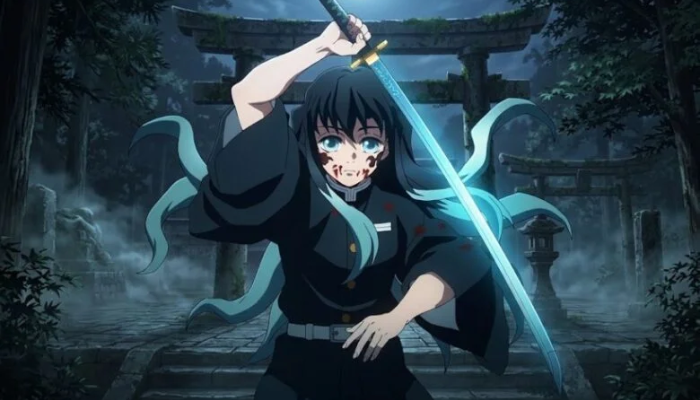
One of the most popular approaches is the cinematic anime style. These wallpapers usually emphasize dramatic lighting, atmospheric backgrounds, and a strong sense of depth. Muichiro might appear surrounded by swirling mist, standing beneath a cloudy sky, or preparing for battle. The additional environmental details make this style particularly effective on larger displays where there is enough space to appreciate the composition.
Minimalist wallpapers offer a very different experience. Instead of filling the screen with action, they may feature a simple silhouette, a subtle character portrait, or a small symbolic element against a mostly empty background. This approach can be especially useful for phones because app icons and widgets often occupy much of the screen. A visually restrained background keeps the interface readable while still showing the user’s appreciation for the character.
Manga-inspired designs are another interesting option. Black-and-white artwork can provide a dramatic alternative to colorful anime imagery. Strong linework, shadows, and panel-like compositions can create a sophisticated appearance, particularly on tablets and desktops. Fans who enjoy the original manga aesthetic may prefer this approach because it captures a different side of Muichiro’s visual identity.
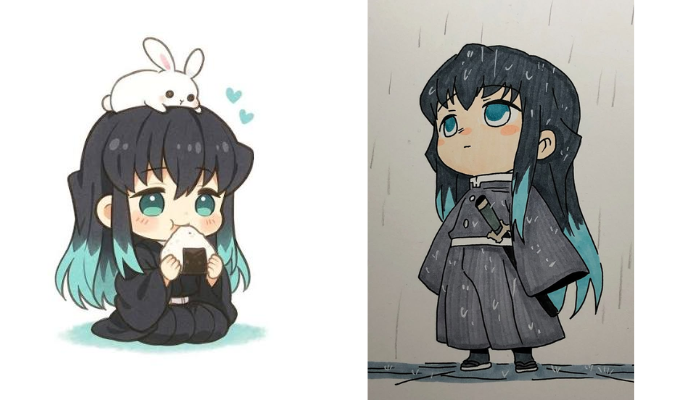
Chibi and fan-art-inspired designs provide yet another direction. These versions tend to emphasize the character’s cute or playful qualities rather than his serious Hashira persona. Bright backgrounds, simplified proportions, expressive faces, and decorative elements can make the wallpaper feel more cheerful. They can be particularly appealing to users who want something lighthearted rather than dramatic.
There are also wallpapers designed around specific moods. A nighttime design might show Muichiro beneath a moonlit sky, while a mist-focused composition can use layers of translucent clouds to create depth. Some designs focus closely on his eyes and facial expression, while others show his full character in a large environmental scene. Having a clear idea of the desired mood can make the search process much easier.
How to Choose the Right Wallpaper for Your Device
Screen dimensions should be one of the first considerations when choosing a wallpaper. A beautiful image can lose much of its impact if it has the wrong aspect ratio and becomes heavily cropped. Smartphone screens are generally tall and narrow, while desktop monitors are much wider. Tablets occupy a middle ground and may be used in either portrait or landscape orientation.
For a smartphone, portrait-oriented artwork is usually the easiest choice. A character positioned near the center or upper portion of the image can remain visible even when the operating system applies cropping or movement effects. It is also helpful to consider where the clock, notifications, and app icons will appear. Important facial details should not be placed exactly where interface elements are likely to cover them.
Desktop wallpapers provide more freedom. Wide compositions can show Muichiro within a larger environment, allowing clouds, forests, mist, and other visual elements to extend across the screen. If icons are arranged along one side of the desktop, placing the character on the opposite side can produce a more balanced result. Empty space is not necessarily a weakness; it can actually make a wallpaper more functional.
Resolution is equally important. Low-resolution images can look acceptable on a small screen but become visibly blurry when stretched across a larger monitor. High-resolution artwork generally provides greater flexibility because it can be resized or cropped without losing as much detail. When possible, users should choose an image that is at least large enough to match the native resolution of their display.
It is also worth considering brightness. Very bright artwork may make white icons difficult to read, while extremely dark backgrounds can sometimes hide interface elements or details. A wallpaper with moderate contrast often provides a comfortable balance. Some devices also allow users to apply a dark overlay or adjust the wallpaper’s appearance, which can help maintain readability without changing the original image.
Creating a Unique Muichiro-Inspired Wallpaper
For fans who want something more personal, creating a custom design can be more rewarding than selecting a standard image. A simple concept might combine a Muichiro character illustration with a misty gradient, subtle clouds, and a small amount of negative space. The result can feel personalized while maintaining the recognizable atmosphere associated with the Mist Hashira.
Typography can also be incorporated carefully. A short character name, quotation from officially published material, or simple decorative text may work well if it does not dominate the artwork. Minimal typography tends to be more effective than covering the entire screen with large words. The objective should be to complement the character rather than compete with the central artwork.
Background textures can create additional depth. Clouds, soft fog, stars, falling leaves, moonlight, or abstract gradients can give an otherwise simple composition more visual interest. However, too many effects can make the image look busy. A strong design usually has a clear focal point and supporting elements that reinforce it.
Personalization can also involve adapting the image to a particular device. A desktop user might create a panoramic scene with Muichiro positioned toward one side. A phone user could crop the same concept into a portrait composition that places his face near the upper-middle portion of the screen. The artwork does not necessarily need to be completely different; thoughtful cropping and layout can make one concept work across several devices.
Fans should also remember the importance of using artwork appropriately. Official artwork, licensed merchandise imagery, and fan-created illustrations can have different usage permissions. If a wallpaper is being used privately on a personal device, the situation is different from using someone else’s artwork commercially, redistributing it, or presenting it as one’s own creation. Respecting artists and copyright holders is an important part of enjoying fan art responsibly.
Making Your Wallpaper Look Great Every Day
Once a suitable **muichiro tokito wallpaper ** has been selected, a few small adjustments can make the overall screen experience better. Start by checking the wallpaper after it has been applied rather than judging it only in an image viewer. Device interfaces often crop, zoom, or reposition backgrounds automatically, so an image that looks perfect beforehand may appear different once installed.
Icons and widgets should also be considered. If the wallpaper contains Muichiro’s face in the same area where icons are concentrated, the character may become difficult to see. Moving icons where possible or selecting a design with intentional empty space can solve this problem. A good wallpaper should remain attractive even when the screen is covered with everyday shortcuts and notifications.
Dynamic or parallax effects can influence the appearance as well. Some devices subtly move wallpaper images when the user changes screens. Detailed backgrounds may look impressive with these effects, but designs containing important text or precisely positioned character features can become awkward if they shift. Static wallpapers are often the simplest choice when composition is particularly important.
Finally, remember that wallpaper preferences can change with mood and season. A dramatic battle scene may feel exciting for a while, while a calm mist-covered image might eventually become more relaxing. Having several favorites makes it easy to rotate between different visual styles. Some fans may even use a peaceful design on the lock screen and a more energetic composition on the home screen.
A wallpaper is ultimately a small form of personal expression. It does not have to be technically elaborate to be effective. If the artwork captures something appealing about Muichiro—his calm personality, mysterious atmosphere, determination, or connection to mist—it can make an ordinary device feel much more personal.
Conclusion
A **muichiro tokito wallpaper ** can be much more than a simple anime background. Muichiro’s distinctive design, cool color palette, Mist Hashira identity, and atmospheric visual themes provide endless opportunities for creative wallpaper styles. From cinematic battle scenes and manga-inspired artwork to minimalist compositions and charming chibi designs, there is plenty of room for different preferences.
The most successful choice is one that balances visual appeal with practical usability. Screen size, resolution, cropping, brightness, icon placement, and overall composition can all affect how a wallpaper looks after it is applied. By considering these details before choosing an image, fans can find a background that remains attractive every time they use their device.
Whether the goal is a peaceful misty scene, a powerful Hashira portrait, or a simple character-focused design, Muichiro offers an especially versatile subject. The right wallpaper can bring a subtle piece of the Demon Slayer world into everyday digital life while reflecting the user’s individual taste.
Frequently Asked Questions
1. What is a muichiro tokito wallpaper?
A muichiro tokito wallpaper is a digital background featuring muichiro tokito wallpaper, the Mist Hashira from Demon Slayer: Kimetsu no Yaiba. It can be designed for smartphones, tablets, laptops, desktops, or other compatible screens.
2. What makes Muichiro a popular wallpaper character?
Muichiro has a distinctive appearance and a strong visual theme based around mist, clouds, and cool colors. His calm expression and memorable character design also translate well into many different artistic styles.
3. What colors work well in a Muichiro wallpaper?
Blue, teal, gray, white, muted green, and darker atmospheric shades can complement Muichiro’s character design. The ideal palette depends on whether the desired mood is calm, mysterious, dramatic, or playful.
4. Should I choose a portrait or landscape wallpaper?
The answer depends on the device. Portrait-oriented images generally work well on smartphones, while landscape compositions are often better suited to desktop monitors and laptops.
5. What resolution should a wallpaper have?
Ideally, choose an image that matches or exceeds your device’s native display resolution. Higher-resolution artwork gives you more flexibility when cropping and resizing.
6. Can a Muichiro wallpaper be minimalist?
Yes. Minimalist designs can feature a simple character silhouette, a subtle portrait, muted colors, or a small symbolic element. They can be particularly useful when you want app icons to remain easy to see.
7. Are Muichiro manga-style wallpapers available?
Manga-inspired designs can recreate the visual feeling of black-and-white linework and dramatic shading. They offer a different aesthetic from brightly colored anime artwork.
8. How can I stop icons from covering the character?
Choose an image with intentional empty space around the areas where icons and widgets appear. You can also reposition icons when your device allows it or select a composition where Muichiro is placed away from the busiest part of the screen.
9. Can I create my own Muichiro wallpaper?
Yes. You can combine suitable artwork with backgrounds, gradients, mist effects, and other design elements. When using artwork created by someone else, make sure your intended use respects the creator’s permissions and copyright.
10. How often should I change my wallpaper?
There is no fixed rule. Some fans enjoy keeping one favorite design for months, while others rotate wallpapers regularly. Changing between different Muichiro-inspired styles can keep the device feeling fresh without requiring any major customization.
About the Author