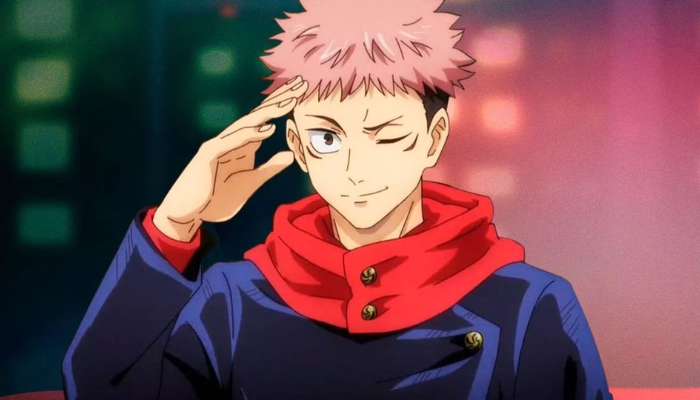

demon slayer characters are a major reason Demon Slayer: Kimetsu no Yaiba has become one of the most recognizable anime franchises of its generation. While its breathtaking animation and intense sword fights immediately attract attention, the series becomes truly memorable through its cast. From the compassionate Tanjiro Kamado and fiercely protective Nezuko to the eccentric Hashira and terrifying Upper Rank demons, every major character brings a distinctive personality, motivation, and emotional history to the story.
Created by Koyoharu Gotouge, Demon Slayer follows Tanjiro after a devastating attack destroys his family and transforms his sister Nezuko into a demon. His journey to find a way to restore her humanity introduces him to swordsmen, mentors, rivals, allies, and enemies whose stories gradually expand the world around him. Some characters represent courage and compassion, while others reveal how grief, ambition, jealousy, and fear can shape a person’s choices.
Understanding the most important demon slayer characters also makes the series more rewarding because their relationships are rarely simple. Heroes have flaws, villains have tragic histories, and even seemingly comic characters can reveal remarkable bravery when their friends are threatened. Below, we explore the central characters, the Hashira, the most dangerous demons, and the qualities that make this cast so compelling.
Tanjiro Kamado and Nezuko Kamado: The Emotional Heart of Demon Slayer
Tanjiro Kamado is the central protagonist of Demon Slayer, and his defining characteristic is his extraordinary compassion. After returning home one day to discover that his family has been slaughtered, Tanjiro finds that Nezuko is the sole survivor—but she has been transformed into a demon. Rather than abandoning his sister, he dedicates himself to finding a way to turn her human again. This decision establishes the emotional foundation of the entire story. Tanjiro becomes a Demon Slayer not because he seeks glory or power, but because he wants to protect the person he loves and prevent other families from suffering the same tragedy.
Tanjiro’s kindness does not mean that he is weak. As his training progresses, he develops impressive swordsmanship, physical endurance, tactical intelligence, and an increasingly sophisticated understanding of Breathing Styles. He is also unusually perceptive about the emotions of others, including his enemies. His ability to recognize the suffering behind a demon’s actions gives him a distinctive moral perspective. Even when he must fight, he often separates the act of defeating a demon from hatred of the individual.
Nezuko Kamado provides an equally important perspective on the story. Although she becomes a demon, she retains a powerful connection to her brother and demonstrates that demonic transformation does not necessarily erase every trace of human feeling. Her unusual ability to resist consuming humans makes her an exception to the rules governing most demons. Instead, she protects Tanjiro and others, gradually developing formidable supernatural abilities of her own.
The relationship between Tanjiro and Nezuko is one of the strongest elements among the demon slayer characters. Their bond gives the series an emotional purpose that goes beyond defeating enemies. Tanjiro fights for Nezuko, while Nezuko repeatedly risks herself to protect Tanjiro. Their journey explores family, sacrifice, resilience, and the possibility of retaining humanity even in seemingly impossible circumstances.
The Hashira: The Elite Demon Slayers
The Hashira are the highest-ranking combatants within the Demon Slayer Corps and some of the most memorable demon slayer characters in the entire franchise. Each Hashira specializes in a particular combat style and possesses exceptional physical and mental abilities. However, their importance is not limited to their fighting skills. Their personalities, histories, relationships, and philosophies make them dramatically different from one another.
Giyu Tomioka, the Water Hashira, is one of the first elite swordsmen introduced to Tanjiro. His quiet and reserved personality can make him appear cold, but his actions reveal a strong sense of justice and compassion. Giyu plays a crucial role in Tanjiro and Nezuko’s story because he recognizes that Nezuko’s behavior challenges the conventional understanding of demons. His relationship with Tanjiro also reflects one of the series’ recurring ideas: a person’s true character is demonstrated through actions rather than appearances.
Kyojuro Rengoku, the Flame Hashira, represents enthusiasm, courage, and an unwavering commitment to duty. His powerful presence and optimistic personality make him an especially beloved figure. Rengoku believes that those with strength have a responsibility to protect others, a philosophy that deeply influences Tanjiro and his companions. His story demonstrates that heroism is not measured only by survival but also by the willingness to stand firm when others need protection.
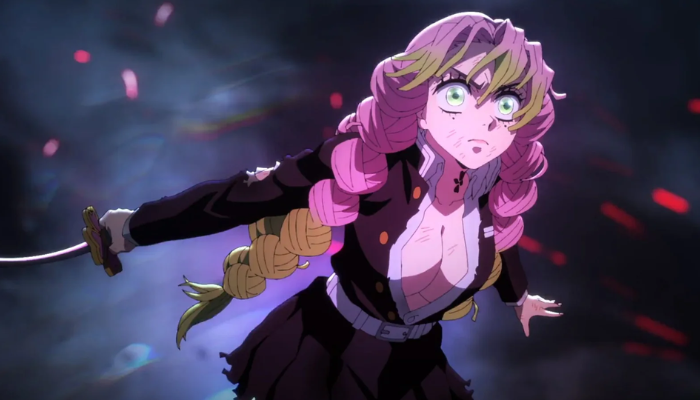
Other Hashira add completely different personalities to the cast. Shinobu Kocho combines politeness and elegance with a sharp and sometimes unsettling determination. Tengen Uzui is flamboyant, confident, and obsessed with making everything “flashy,” yet he possesses tremendous loyalty toward his comrades. Mitsuri Kanroji is affectionate and emotionally expressive while also being an extraordinarily capable fighter. Muichiro Tokito appears distant because of his memory and emotional struggles, but his natural talent is exceptional.
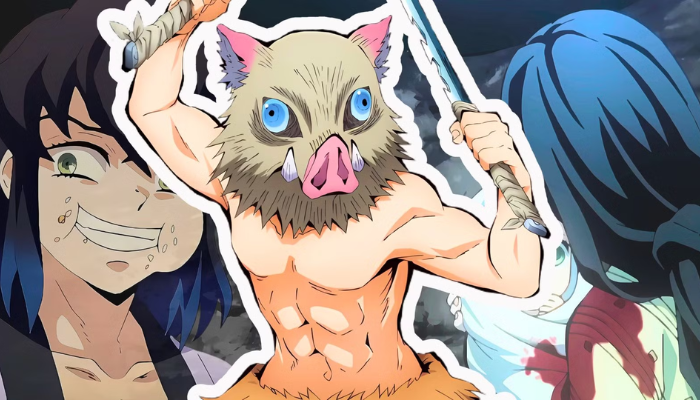
Sanemi Shinazugawa, Gyomei Himejima, and Obanai Iguro further demonstrate the complexity of the Hashira. Sanemi’s aggressive behavior hides deep emotional wounds and a complicated relationship with his brother. Gyomei, despite his imposing strength, is deeply spiritual and compassionate. Obanai is strict and demanding, but his harshness is connected to a troubled past and an intense sense of responsibility. Together, the Hashira show that there is no single definition of strength in Demon Slayer.
Zenitsu, Inosuke, and the Next Generation of Demon Slayers
Among the younger demon slayer characters, Zenitsu Agatsuma and Inosuke Hashibira provide a mixture of comedy, conflict, and unexpected heroism. Their personalities are dramatically different from Tanjiro’s, which creates some of the series’ funniest and most entertaining interactions. Yet both characters also undergo meaningful development as they face increasingly dangerous enemies.
Zenitsu initially appears cowardly, anxious, and constantly convinced that he is about to die. He frequently complains about danger and struggles to believe in his own abilities. However, this surface-level fear conceals extraordinary potential. When unconscious or pushed beyond his normal psychological limits, Zenitsu can access remarkable swordsmanship through Thunder Breathing. His development becomes particularly compelling because he gradually begins to understand that courage does not mean feeling no fear. Instead, courage can mean continuing to act despite fear.
Inosuke Hashibira is almost Zenitsu’s opposite. Raised in the mountains, Inosuke is aggressive, competitive, and fascinated by proving that he is the strongest person in the room. He wears a boar’s head as a distinctive mask and uses his self-created Beast Breathing techniques in battle. His unusual upbringing initially makes ordinary social behavior difficult for him, but his friendship with Tanjiro and Zenitsu gradually reveals a softer side.
Tanjiro, Zenitsu, and Inosuke form one of the most entertaining groups in the series because their strengths and weaknesses complement one another. Tanjiro often acts as the stabilizing influence, Zenitsu brings emotional volatility and technical talent, and Inosuke contributes instinctive combat ability and fearless aggression. Their relationship develops from reluctant cooperation into genuine friendship.
Other younger fighters and allies also contribute to the wider world. Kanao Tsuyuri, for example, is a highly skilled Demon Slayer whose emotional development is closely connected to her difficult childhood and her relationship with Shinobu and Kanae Kocho. Genya Shinazugawa follows a different path, struggling with his own abilities and his relationship with Sanemi. These characters reinforce an important theme: becoming strong is not simply about acquiring power; it is also about learning to make choices and form meaningful connections.
Muzan Kibutsuji and the Most Dangerous Demons
No discussion of demon slayer characters would be complete without Muzan Kibutsuji, the primary antagonist and origin point of the demon threat. Muzan is fundamentally different from many other villains because his greatest motivation is not conquest in the conventional sense. He is obsessed with survival, avoiding death, and overcoming his biological weaknesses. This obsession has shaped his actions for centuries and caused enormous suffering for countless humans.
Muzan’s greatest strength is also one of his most frightening qualities: his ability to manipulate others. He creates demons by giving humans his blood, and some of these demons become extraordinarily powerful. His relationship with his followers is not based on genuine loyalty or friendship. Instead, he maintains control through fear. Demons who fail him understand that punishment can be immediate and brutal. This makes Muzan terrifying even when he is not directly involved in a battle.
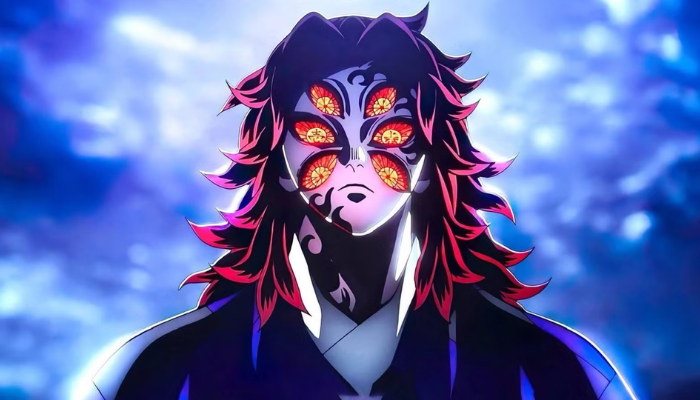
The Twelve Kizuki represent the strongest demons serving under Muzan. The Upper Rank demons are particularly dangerous and include some of the franchise’s most formidable antagonists. Akaza is one of the most memorable because his obsession with strength is intertwined with a tragic human history. His encounters with powerful Demon Slayers reveal both his cruelty and the distorted philosophy that drives him.
Doma presents an entirely different form of villainy. His cheerful demeanor and apparent friendliness contrast sharply with his lack of genuine empathy. This unsettling combination makes him especially disturbing. Kokushibo, meanwhile, has one of the deepest connections to the human history of the series. His relationship with his brother and his obsession with surpassing human limitations make his story an exploration of envy, ambition, and regret.
Other notable demons, including Rui, Gyutaro, Daki, and Hantengu, demonstrate how the series uses villains to explore human suffering. Their backgrounds do not excuse their actions, but they often explain how they became what they are. This approach gives the antagonists emotional dimension without removing the consequences of their violence.
Why Demon Slayer Characters Are So Memorable
The enduring appeal of demon slayer characters comes from the way the series combines striking designs with clear emotional motivations. Characters are often visually recognizable before they even speak. Tanjiro’s hanafuda earrings, Nezuko’s bamboo muzzle, Rengoku’s distinctive hair, Tengen’s elaborate accessories, and Inosuke’s boar mask immediately communicate identity. These visual details help the enormous cast remain memorable.
Personality is equally important. Characters frequently have exaggerated traits, but those traits are balanced by vulnerability. Zenitsu is extremely fearful but capable of extraordinary courage. Inosuke is abrasive but gradually learns empathy. Rengoku is exuberant yet deeply disciplined. Shinobu appears cheerful while carrying profound grief. Sanemi’s anger is connected to painful personal experiences. These contradictions prevent characters from becoming one-dimensional stereotypes.
Another major strength is the way relationships influence character development. Tanjiro’s connection with Nezuko motivates his entire journey, while his friendships with Zenitsu and Inosuke give him a support system. The Hashira influence him through both their strengths and their imperfections. Meanwhile, encounters with demons force him to confront difficult questions about compassion, justice, and the consequences of violence.
The series also understands the emotional power of sacrifice. Battles often carry permanent consequences, making victories feel costly rather than routine. Characters can enter a fight with clear goals and still face devastating losses. Because the audience has spent time learning about their personalities and histories, those moments have emotional weight.
Ultimately, the best demon slayer characters feel memorable because they represent different responses to suffering. Some choose compassion, some choose revenge, some seek strength, and others surrender to despair. Their choices create the moral and emotional structure of the story, making Demon Slayer more than a sequence of spectacular battles.
Conclusion
The world of demon slayer characters is one of the greatest strengths of Demon Slayer: Kimetsu no Yaiba. Tanjiro and Nezuko provide the emotional core, while Zenitsu and Inosuke add humor, friendship, and surprising growth. The Hashira embody different forms of strength and sacrifice, and the demons introduce darker stories about obsession, grief, envy, and the fear of death.
What makes this cast particularly effective is that characters are rarely defined by a single trait. Heroes can be frightened, harsh, or emotionally damaged, while villains can have histories that reveal how they fell into darkness. The result is a cast that feels varied and emotionally layered.
Whether you are discovering Demon Slayer for the first time or revisiting its most memorable moments, understanding its characters makes the story considerably richer. Their relationships, motivations, conflicts, and sacrifices are what transform the series from an impressive action anime into an emotional story about family, humanity, resilience, and the choices people make when confronted by suffering.
Frequently Asked Questions About Demon Slayer Characters
1. Who is the main character in Demon Slayer?
Tanjiro Kamado is the main protagonist of Demon Slayer. After his family is attacked by demons and his sister Nezuko is transformed into one, Tanjiro joins the Demon Slayer Corps. His primary goals are protecting Nezuko and finding a way to restore her humanity.
2. Who is the strongest Demon Slayer character?
There are several extremely powerful Demon Slayer characters, and their relative strength depends on the point in the story being considered. Among the Hashira, Gyomei Himejima is widely regarded as one of the strongest. The series also introduces other characters whose abilities eventually reach extraordinary levels.
3. Is Nezuko a demon or a human?
Nezuko becomes a demon after Muzan Kibutsuji’s attack on the Kamado family. However, she retains important aspects of her human personality and refuses to prey on humans. Her unusual condition is central to the story and motivates Tanjiro’s journey.
4. Who are the Hashira in Demon Slayer?
The Hashira are the elite swordsmen of the Demon Slayer Corps. They include characters such as Giyu Tomioka, Kyojuro Rengoku, Shinobu Kocho, Tengen Uzui, Mitsuri Kanroji, Muichiro Tokito, Sanemi Shinazugawa, Obanai Iguro, and Gyomei Himejima.
5. Who is Muzan Kibutsuji?
Muzan Kibutsuji is the primary antagonist of Demon Slayer and the origin of the series’ demon threat. He possesses immense power and can transform humans into demons through his blood. His overwhelming desire to survive and overcome his weaknesses drives much of the story’s conflict.
6. Why is Tanjiro so compassionate toward demons?
Tanjiro understands that many demons were once human beings. Although he recognizes the need to defeat demons that threaten people, he can also empathize with their suffering and remember the humanity they lost. This compassion is one of his defining characteristics.
7. Who are Zenitsu and Inosuke?
Zenitsu Agatsuma and Inosuke Hashibira are two of Tanjiro’s closest companions. Zenitsu is initially portrayed as fearful and anxious but possesses exceptional Thunder Breathing abilities. Inosuke is an aggressive and competitive fighter who developed Beast Breathing and was raised in the mountains.
8. Which Demon Slayer character uses Flame Breathing?
Kyojuro Rengoku is the best-known Flame Hashira and a prominent user of Flame Breathing. His energetic personality, powerful combat abilities, and strong sense of duty make him one of the franchise’s most memorable characters.
9. Who are the Upper Rank demons?
The Upper Rank demons are among the most powerful members of the Twelve Kizuki, Muzan Kibutsuji’s elite group of demons. Characters such as Kokushibo, Doma, and Akaza occupy major positions among the Upper Ranks and serve as formidable opponents for the Demon Slayers.
10. Why are Demon Slayer characters so popular?
The characters are popular because they combine distinctive designs, memorable personalities, emotional backstories, powerful relationships, and meaningful development. The series also gives many characters moments of vulnerability and courage, allowing audiences to connect with them beyond their fighting abilities.
About the Author