Demon Slayer Muichiro is a topic that continues to captivate anime and manga fans because Muichiro Tokito is far more complex than his calm, distant personality initially suggests. As the Mist Hashira of the Demon Slayer Corps, he appears detached from the world around him, often losing track of conversations and showing little interest in ordinary matters. However, beneath that quiet exterior lies an extraordinary swordsman with a painful past, remarkable natural talent, and a character arc that becomes increasingly emotional as the story unfolds.
Muichiro stands out not simply because of his incredible strength, but because of the transformation he experiences throughout Demon Slayer: Kimetsu no Yaiba. His journey explores memory, family, identity, grief, and the importance of human connection. From his unique Mist Breathing techniques to his memorable battles against powerful demons, Muichiro’s story reveals why he is considered one of the most compelling Hashira in the entire series.
This in-depth guide explores everything that makes Demon Slayer Muichiro such an unforgettable character. We will examine his personality, tragic backstory, extraordinary abilities, major battles, relationships, and lasting influence on the Demon Slayer story. Whether you are discovering Muichiro for the first time or revisiting his journey as a longtime fan, his character offers far more depth than his initially emotionless appearance might suggest.
Who Is Muichiro Tokito? Understanding the Mist Hashira
Muichiro Tokito is one of the elite Hashira in the Demon Slayer Corps, holding the title of Mist Hashira. The Hashira are the organization’s most powerful swordsmen, each specializing in a particular Breathing Style and possessing exceptional combat ability. Despite his young age, Muichiro earns his position through astonishing natural talent and becomes one of the strongest fighters among his peers.
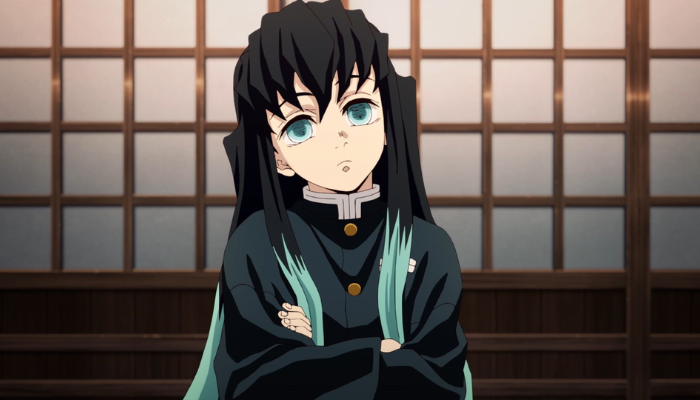
One of the first things audiences notice about Muichiro is his unusual personality. He often seems distracted, emotionally distant, and disconnected from the people around him. His mind appears to drift from one thought to another, making him seem indifferent even during serious situations. Unlike the more expressive Hashira, Muichiro rarely displays strong emotions early in the story. This creates an air of mystery around him and makes it difficult for others to understand what he is truly thinking.
However, Muichiro’s detached behavior is not simply a matter of personality. It is closely connected to his forgotten past and emotional trauma. His inability to remember important parts of his life has shaped the person he becomes, causing him to suppress emotions and distance himself from others. As his memories gradually return, audiences begin to see a completely different side of the Mist Hashira.
The development of Demon Slayer Muichiro is especially interesting because it challenges first impressions. At first, he may seem cold and uncaring, but his character eventually reveals a deep capacity for compassion, loyalty, and sacrifice. His growth demonstrates that people can change when they reconnect with the experiences and relationships that once defined them.
Muichiro’s presence also adds a distinctive dynamic to the Hashira. While many of his fellow elite swordsmen have powerful and obvious personalities, Muichiro’s strength is often expressed through silence and precision. He does not need dramatic speeches or constant displays of emotion to establish his importance. Instead, his calm presence and overwhelming ability make him one of the most fascinating characters in the series.
Muichiro’s Tragic Backstory and the Importance of His Memories
The emotional core of Muichiro’s story lies in his childhood. Before becoming a Hashira, Muichiro lived with his twin brother, Yuichiro. The brothers experienced devastating loss at an early age after losing their parents. Their mother became seriously ill, and their father died while attempting to gather medicinal herbs. Left without their parents, the twins were forced to survive together while still very young.
Despite sharing a similar appearance, Muichiro and Yuichiro developed very different personalities. Muichiro was naturally kind and hopeful, while Yuichiro became harsh and pessimistic. Yuichiro believed that kindness was useless in a cruel world and often criticized his brother for being too compassionate. Yet beneath his rough behavior, Yuichiro cared deeply about Muichiro and wanted to protect him from further pain.
The tragedy of their lives reached its most devastating point when a demon attacked them. During the encounter, Muichiro witnessed unimaginable violence and suffered severe emotional trauma. The experience changed everything. Afterward, the memories of his family and childhood became fragmented, leaving him with an incomplete understanding of who he was and where he came from.
This loss of memory is essential to understanding Muichiro’s personality. His distant behavior is, in many ways, a defense against the pain he once experienced. Without access to the memories that connected him to his family, he became emotionally isolated. He continued moving forward, eventually becoming a Demon Slayer and rising through the ranks with incredible speed, but he did so without fully understanding the person he had once been.
When Muichiro begins recovering his memories, his emotional development accelerates. He remembers the kindness he once possessed and begins to understand the love his brother had for him. This realization changes his outlook on life. Rather than remaining detached from everyone around him, he begins to reconnect with others and act according to the compassion that had always existed within him.
The story of Demon Slayer Muichiro therefore becomes a story about recovering identity. His memories are not merely background information; they are central to his transformation. Once he remembers his past, he also remembers why protecting others matters. His emotional awakening makes his later actions even more meaningful because he chooses to fight not simply out of duty, but from a renewed understanding of human connection.
Mist Breathing and Muichiro’s Extraordinary Combat Abilities
Muichiro’s combat style is one of the most visually distinctive in Demon Slayer. As the Mist Hashira, he uses Mist Breathing, a style built around obscuring movement, changing rhythm, and confusing opponents. The techniques create the impression that Muichiro is disappearing and reappearing, making it difficult for enemies to predict where he will strike next.
Mist Breathing is especially suited to Muichiro’s personality and fighting style. His movements are quiet, fluid, and unpredictable. Rather than relying solely on overwhelming force, he manipulates his opponent’s perception. Changes in speed and rhythm make his attacks difficult to follow, allowing him to create openings that other swordsmen might not see.
Muichiro is also a natural prodigy. His rise within the Demon Slayer Corps is extraordinarily fast, demonstrating an exceptional level of talent. Even among the Hashira, who are already considered the strongest members of the organization, his potential is remarkable. His age makes these accomplishments even more impressive, as he achieves an elite level of swordsmanship while still extremely young.
A major aspect of his development is his ability to create and master techniques that enhance the effectiveness of Mist Breathing. His movements can become so unpredictable that opponents struggle to distinguish his real position from the illusion created by his speed and shifting rhythm. This makes his combat style feel almost supernatural even before considering the extraordinary abilities developed by the strongest Demon Slayers.
As the story progresses, Muichiro also unlocks greater physical and spiritual potential. His determination allows him to continue fighting despite severe injuries, demonstrating that his greatest strength is not merely natural talent. He possesses remarkable resolve, particularly after recovering the memories that give his life renewed purpose.
The appeal of Demon Slayer Muichiro in battle comes from the combination of elegance and danger. His attacks are beautiful to watch, but they are also designed to be deceptive and lethal. The imagery of mist reflects his entire character: he seems distant and difficult to understand at first, yet there is immense depth hidden behind what others can see.
Muichiro’s Major Battles and Character Development
Muichiro’s most important battles reveal different sides of his personality and abilities. Early impressions of him suggest that he is simply an unusually talented young swordsman, but later conflicts demonstrate the extent of his determination. His battles become increasingly significant because they are connected to his emotional growth as much as his physical strength.
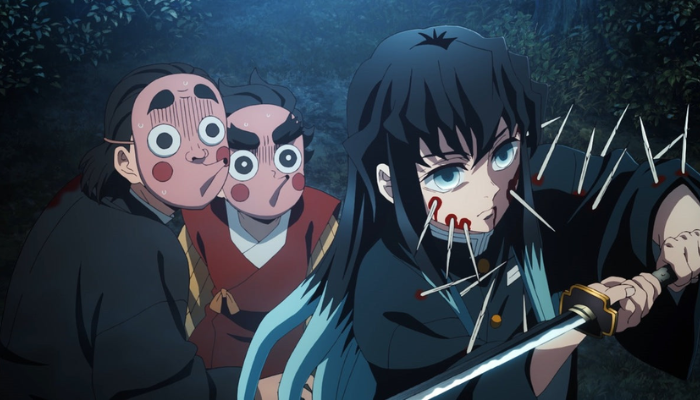
One of the most defining moments in Muichiro’s journey occurs when he faces a powerful Upper Rank demon. The battle pushes him beyond his previous limits and forces him to confront both physical danger and the emotional consequences of his past. During this conflict, the return of his memories becomes crucial. Remembering his family gives him a renewed sense of purpose and transforms his approach to protecting others.
This battle is important because it demonstrates that Muichiro’s strength becomes greater once he reconnects with his humanity. His emotions do not make him weaker or distract him from combat. Instead, they provide motivation. The compassion he once tried to suppress becomes one of the reasons he can continue fighting when circumstances appear impossible.
His willingness to endure extreme pain also reveals a remarkable level of courage. Muichiro is not portrayed as invincible. He suffers, bleeds, and faces opponents whose power exceeds that of ordinary Demon Slayers by an enormous margin. What makes his victories and contributions meaningful is his refusal to surrender despite these disadvantages.
Another important aspect of his major battles is his strategic intelligence. Muichiro does not simply charge forward without thinking. His fighting style requires observation, timing, and the ability to exploit confusion. He understands how to create uncertainty for his opponents and takes advantage of even brief openings.
As his role expands, Muichiro becomes increasingly important to the larger struggle against the strongest demons. His growth demonstrates how quickly a person can mature when forced to confront extraordinary circumstances. The quiet boy who once seemed disconnected from everyone gradually becomes someone capable of making difficult decisions and placing the lives of others above his own.
For fans, these battles make Demon Slayer Muichiro an especially memorable part of the series. His action scenes are not only impressive because of animation or swordsmanship. They also carry emotional weight. Every major confrontation reflects his evolving understanding of who he is, what he has lost, and what he is willing to protect.
Muichiro’s Legacy, Relationships, and Lasting Impact on Demon Slayer
Muichiro’s relationships play a major role in defining his legacy. Although he initially appears isolated, his interactions with other characters gradually reveal his ability to care deeply about them. His development is especially noticeable in the way he begins responding differently to people after recovering his memories.
His connection to Tanjiro Kamado is particularly significant because Tanjiro’s influence helps encourage Muichiro to reconnect with his own humanity. Tanjiro’s straightforward kindness and determination create a contrast with Muichiro’s earlier detachment. Through these interactions, Muichiro begins to recognize the value of helping others rather than viewing every situation through a distant and impersonal perspective.
His relationship with his brother, Yuichiro, remains one of the most emotionally important parts of his story. Even after suffering terrible loss, Muichiro eventually understands that his brother’s harsh words did not mean a lack of love. This realization allows him to reinterpret his past and recover the emotional connection that trauma had taken from him.
Muichiro’s legacy also comes from what he represents within the broader themes of Demon Slayer. The series frequently explores the consequences of grief and the ways people respond to loss. Some characters are consumed by pain, while others find reasons to continue protecting what remains. Muichiro’s journey demonstrates that healing does not require forgetting tragedy. Instead, it can involve remembering painful experiences while allowing love and connection to exist alongside them.
His popularity among fans is also understandable because he combines several compelling qualities. He is exceptionally powerful without being arrogant, quiet without being uninteresting, and emotionally complex without losing the appeal of a traditional action hero. His character design, distinctive hairstyle, calm voice, and unique fighting style have all contributed to his strong presence within the franchise.
Ultimately, the lasting appeal of Demon Slayer Muichiro comes from the balance between talent and vulnerability. He is a prodigy, but he is also a child who experienced profound loss. He is an elite Hashira, but he still struggles with memory and identity. He can defeat terrifying enemies, yet some of his greatest challenges are emotional rather than physical.
That contrast makes Muichiro more than simply a powerful supporting character. He becomes a symbol of rediscovery. His story shows that even when a person loses their sense of identity, the values and emotions that once shaped them may still remain beneath the surface, waiting for the opportunity to return.
Conclusion: Why Demon Slayer Muichiro Remains an Unforgettable Character
Demon Slayer Muichiro remains one of the most compelling character journeys in the series because his story combines extraordinary action with genuine emotional depth. At first, he appears to be a distant young Hashira who cares little about the people around him. As his past is revealed, however, audiences discover that his detachment is connected to devastating trauma and lost memories.
Muichiro’s transformation is what gives his character lasting power. By reconnecting with his family, his emotions, and his original sense of compassion, he becomes stronger not only as a swordsman but also as a person. His story proves that strength is not limited to physical ability. Memory, love, purpose, and the willingness to protect others can be equally powerful forces.
His Mist Breathing techniques, natural talent, and major battles make him one of the most exciting fighters in Demon Slayer. Yet the action alone does not explain his popularity. The emotional meaning behind his development is what makes him truly memorable. Muichiro begins his journey surrounded by emotional fog, but gradually finds clarity about who he is and why his life matters.
For longtime fans and new viewers alike, Muichiro Tokito represents one of the strongest examples of character growth in the franchise. His legacy is built on courage, compassion, sacrifice, and the rediscovery of identity. That combination ensures that the Mist Hashira will continue to hold a special place in discussions about the most beloved and unforgettable characters in Demon Slayer.
FAQs About Demon Slayer Muichiro
1. Who is Muichiro Tokito in Demon Slayer?
Muichiro Tokito is the Mist Hashira of the Demon Slayer Corps. He is one of the organization’s youngest and most talented elite swordsmen and specializes in the Mist Breathing style.
2. How old is Muichiro Tokito?
Muichiro is 14 years old during the main events of Demon Slayer. Despite his young age, he possesses extraordinary swordsmanship and reaches the rank of Hashira.
3. Why is Muichiro so forgetful?
Muichiro’s forgetfulness and detached personality are strongly connected to traumatic experiences and the loss of important childhood memories. As those memories return, his personality begins to change.
4. What Breathing Style does Muichiro use?
Muichiro uses Mist Breathing. This combat style focuses on confusing opponents through unpredictable movement, changing speed, and techniques that make it difficult to follow his position.
5. Is Muichiro one of the strongest Hashira?
Yes, Muichiro is considered one of the most naturally gifted Hashira. His rapid development, exceptional swordsmanship, and ability to fight powerful demons demonstrate his extraordinary potential.
6. Does Muichiro have a twin brother?
Yes. Muichiro has a twin brother named Yuichiro. Their relationship and tragic childhood are central to understanding Muichiro’s memories, personality, and emotional development.
7. Why does Muichiro’s personality change?
His personality changes after he begins recovering memories of his past. Reconnecting with his family and understanding his brother’s feelings helps him rediscover his compassion and sense of purpose.
8. What makes Muichiro’s fighting style unique?
Muichiro’s Mist Breathing techniques rely heavily on deception. His changing rhythm and unpredictable movements can confuse opponents and make it difficult for them to anticipate his attacks.
9. What is the main theme of Muichiro’s character arc?
A major theme of Muichiro’s character arc is rediscovering identity after trauma. His journey explores how memories, family, grief, and human connection influence a person’s understanding of themselves.
10. Why is Demon Slayer Muichiro so popular with fans?
Demon Slayer Muichiro is popular because he combines incredible combat ability with emotional complexity. His mysterious personality, tragic past, striking Mist Breathing style, and meaningful character development make him one of the most memorable figures in the series.
About the Author